

Communicating Your Ideas Ready for Fashion Production
A lot of new fashion entrepreneurs want to create their own designs, which is great! But how can you make sure your vision is made correctly…?
If you've been following me at all, you'll probably know that I work with a lot of fashion startups, many of which don't have any experience in the fashion industry. Many of my clients like to get creative and design their own ranges and I get it; it's one of the best parts of running a fashion business! However, problems often arise when the designer tries to get the clothing into production. They send their drawing to the factory and they produce something totally different to what they imagined. Maybe this has happened to you already?
While it's perfectly fine to design your own fashion collection, even without any industry experience, there's a few steps you need to take in order to get what's in your head, into a reality. First off, you're going to need to communicate those ideas to either a factory or (most likely) a technical designer such as myself. A technical designer, also known as a garment technician, is basically the middle man between you and the factory. They will take your idea and convert it into a format that a factory can understand. They'll outline all of the stitch details, components, construction notes measurements and more, so the factory can make your design.
In this post, I'll show you how you can communicate your ideas for maximum efficiency. I'll give you some good examples and bad ones too. The bad ones are based off of actual clients I've worked with, but to protect their ideas I've reworked them a bit. The key here is to really understand that what you imagine, might be totally different to what someone else does. I've worked on hundreds (probably thousands, I'm not keeping a tally!) of fashion items and I've seen it all. Hopefully this post will help you to communicate more effectively with your production partners.


First off, I'm going to share with you an example that I used in my fashion startup online course. Above is an example of the kind of drawing I often receive from clients. The drawing isn't really the problem, it's fine if you don't have professional drawing skills, or if you want to use photos instead, I have no issue with that. The problem is with the lack of information. Take a look at this tshirt, how would you imagine it? Is it stretchy, made of denim, is it fitted, oversized? Is that a pocket on the front, is it the same colour, the same fabric as the rest? How would you imagine it?
This is an example that I made, so I can tell you I was thinking of a medium weight stretchy fabric made from modal for the main part, with a contrasting silk pocket. It has an oversized, baggy fit and a wide hem detail.
Is this the same as what you imagined? Probably not.
And this is the problem. If you leave details out, they're open to imagination. And even worse, the majority of factories won't ask, they'll just make what they think it is (which is usually whatever is easiest and cheapest).
So, you really need to send your ideas to your technical designer with some information. You might not have all of the technical words and that's fine. You might have a simple explanation, for example you might say 'I want a light stretchy fabric' and the garment tech can go from there, at least they have an idea of what you're going for. If there's something speicifc you want, you must say; just because it's obvious to you in your head, doesn't mean it's obvious to someone else. Don't leave things that you care about to interpretation.


Clients also like to use photographs and I know a lot of people send these direct to factories too. Photographs can be a great way of communicating ideas, especially if you're not so good at drawing, but as before, do think through what you're sending and whether it could be misinterpreted.
Let's have a look at this example. Something similar was sent to me with the direction 'mostly follow the one on the left, but keep the top part from the right. Non stretch lightweight woven fabric in Navy'. Might sound straight forward at first, but there's actually a lot up for debate;
There's no back! I don't think it's completely backless, but who knows? A surprising number of people forget the back; it's super important that you include it!
You can't see the models legs; how long is this dress? Does it finish straight at the end, or does it flare out?
Where does the 'top part' start exactly? Is it at the seam? If so, which seam, from which dress?
Does the top part also include the fabric around the sleeves? Should that be included?
That's 4 points, which make a huge difference to the overall look of the garment. If you send this to a factory or technical designer, one of two things will happen;
They come back to you with a lot of questions, which delays the work getting done (and if you're paying an hourly rate, that's extra money they're going to charge for emailing you and reading your reply)
They do the work anyway, without clarification and chances are, something isn't as you imagined. But, because you didn't specify anything and left it to the garment technician or factory's imagination, they're well within their right to charge you for the revisions.

So what should you do? If you want to avoid extra costs, or mistakes, you want to be clear with your ideas from the start. Generally a mix of a rough sketch (doesn't matter if you're rubbish at drawing, just something to give an idea - like my super basic 30 second example above), a photo of any special details (noting specifically you want to use from the photo) and a description of anything that's important to you. For the front and back! This example I put together took just 3mins and explained all of those questions that we didn't have answers to before, meaning a technical designer can get straight to work, rather than having to delay because they don't have all the information they need from you.
I hope this has helped you to understand how you can communicate your design ideas, ready to be produced. I love helping people with their ideas and work with lots of brands who are full of creativity, but have no idea how to get a garment made. If you'd like to learn more about how I can help you go from fashion brand daydream to reality, you can contact me here.

I hate spam too - if you sign up to this email list, your details won't be sold or leased to anyone else. I will email you from time to time with helpful content and occasional offers, which you can unsubscribe from at any time.

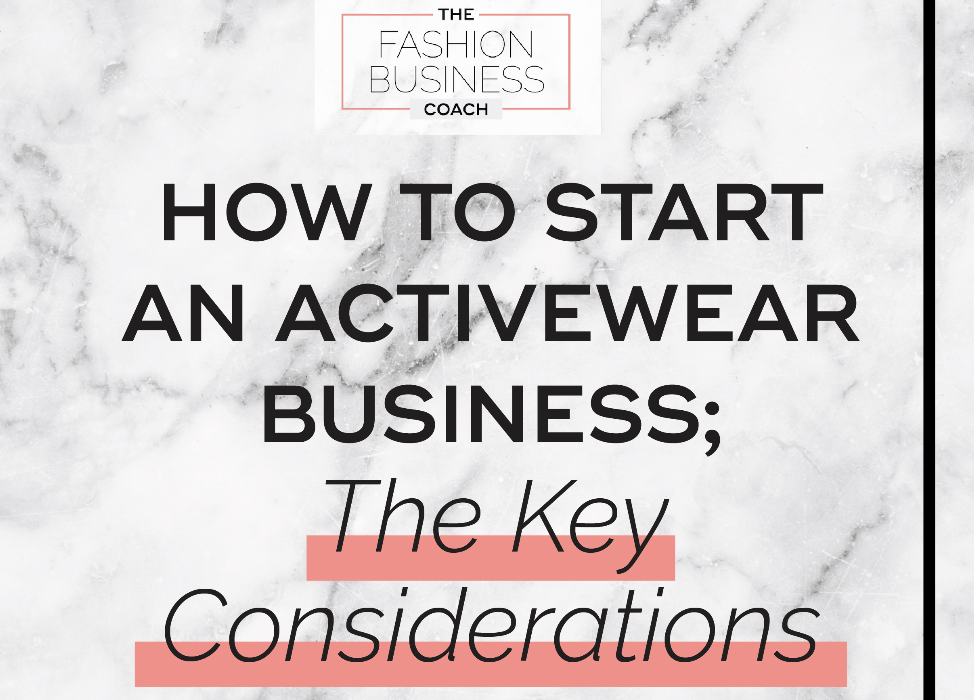


Sourcing Fabrics for Fashion Design
Fabrics are such an important part of the process of having a fashion label and many new or inexperienced entrepreneurs don’t know where to start. In this lesson I share my 2 biggest tips for fabric sourcing.
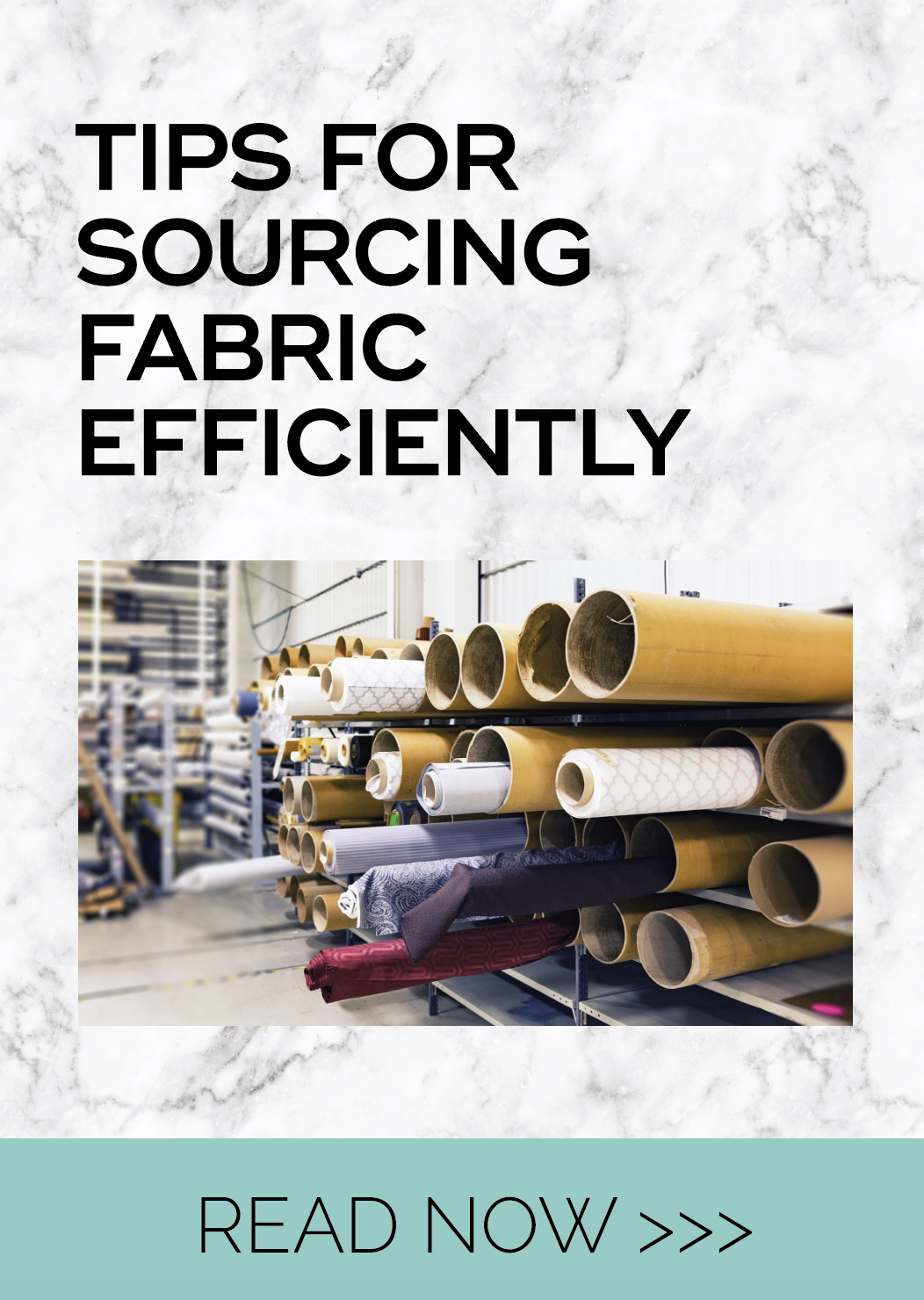
First up, you might be wondering why I'm only sharing 2 tips for sourcing fabrics. Most of my posts share at least 5 tips, so why only 2 this time? Fabric is a very complex topic, but in my experience there's 2 things that really let new entrepreneurs down when it comes to sourcing fabric and communicating with suppliers, so I'll be focussing on those in this blog post.
The surprising thing is that the 2 points kinda contradict each other in a way, but hear me out and it'll all make sense!
Basically, the 2 most important things I can tell you about fabric sourcing are;
Don't be vague
Be open to suggestion
Let's explore those theories a bit more in this post…..
And if you really want to go all in on understanding fabrics, sourcing them and working with suppliers, we cover this in depth and lots of other fashion startup topics in The Fashion Startup Online Course which you can find here.


Don't be Vague
What do I mean exactly? Think of it like this. One of the services I provide is tech pack creation, which involves putting all the technical details of a garment together, in a format that the factory can follow. I always ask clients in advance if they have any specific details or fabrics in mind and almost all of them will say something vague like 'I want a cotton fabric'. This actually gives me very little indication as to what they're looking for.
I primarily work with people who have very limited fashion industry experience, so it's not a problem at all if client's don't have technical knowledge or the names of different types of fabrics. All I need to know, is what you expect from the fabric. For instance, saying something like, 'a lightweight stretchy cotton suitable for a t-shirt' is much more helpful, as I can imagine the type of fabric you mean and then think of the technical details for this, which I can then include on the tech pack.
The reason this description is so important is because there's literally thousands of variations of fabrics. If we continue with the example of cotton....cotton can be knitted into a t-shirt fabric or a sweatshirt fabric. It can be woven into a light bedsheet or a heavy denim. When you think of it like that, the description 'cotton' doesn't actually get you very far. It's just one piece of the puzzle.
If you're working with someone like myself, it's fine if you don't learn about all of the types of fabrics and their properties; that's what I'm here for, to suggest these things. But, if you want to work with a factory or fabric mill independently, you'll need to familiarise yourself with some fabric basics. If you just email the supplier saying you're looking for a cotton, chances are you won't even get a reply. Why? Because people are busy and factories and mills are in demand, so they don't want to spend time educating someone on the variations of cotton. They want someone who's already got an idea of what they want and who they can work with quickly and easily. If contacting directly, it's usually best to note a fabric type, composition, weight and any special features, such as washes and/or finishes.

Be Open to Suggestion
On the flip side, I'm always a big believer in being open to suggestion. Reason being is that there's often hundreds (if not thousands) of fabric types that will work for a particular garment, but the difficulty is finding it in the right quantity and at the right price. When sending enquiries about fabric sourcing, I always say something along the lines of 'or similar, send options for selection' after noting the composition I'm looking for. I find that when working with suppliers, particularly those where a language barrier can come into play, they can get a bit 'blinkered'. If you don't let them know you're option to suggestion, they'll only look for that exact quality you've listed and won't take anything else into consideration. For instance, I might have asked for a fabric that weights 220GSM, but the factory dismissed a 225GSM version because it did't match exactly. 220GSM or 225GSM would have been fine. Or I might be looking for a 95% Cotton 5% Elastane single jersey, but they only had a 94% Cotton 6% Elastane, so simply told me there was nothing available.....you get the idea. Be specific, but also let people know you'd like to see suitable options and pricing information, so you can then make an informed choice, or perhaps do some testing to help you decide. These small variances in fabrics can really have a big impact on the price you pay, so it's always great to check options to ensure the best quality vs price.
I hope this has helped you to understand the 2 key things that are important when sourcing fabric, whether it's through a fabric mill or factory. If you want to learn more about fabrics and sourcing them, or about the process of starting a fashion business and having your designs manufactured, The Fashion Startup Online Course was created just for you. It’s designed to help you go from zero to launch and sales with your brand, even if you’re brand new to the industry. Y

I hate spam too - if you sign up to this email list, your details won't be sold or leased to anyone else. I will email you from time to time with helpful content and occasional offers, which you can unsubscribe from at any time.

Demystifying Sustainable Fabrics - feature on Maker's Row
I’ve written an article for American made website Maker’s Row, which talks about things to consider when looking for sustainable fabrics….

If you've been following me at all, you'll know that I'm passionate about sustainability and spend a lot of my time researching alternative ways of producing clothing, in order to be more sustainable. I was recently selected to write an article on the subject for Maker's Row, a US based website which focuses on American made products. In the article, I share 5 tips to help with understanding sustainable fabrics. There's a lot of mis-information out there and it can be hard to know if a fabric is truly sustainable, I hope this article will help you with the decision making process. You can read the full article on the Maker's Row blog, here.
I love helping brands understand sustainability and ethical issues and have a free Masterclass available called ‘How to Start a Sustainable Fashion Brand’ which you can register free to watch by clicking here.

I hate spam too - if you sign up to this email list, your details won't be sold or leased to anyone else. I will email you from time to time with helpful content and occasional offers, which you can unsubscribe from at any time.
Spend vs Save; Starting a Fashion Brand
In this post I share my tips for where it’s important to spend and where you can save, when starting a fashion business…
As a new brand, it can be hard to know where to invest your money. Chances are, you're working on a budget, so you want to make sure you make the most out of every £ you spend. If you're starting a fashion line and aren't sure where the best places to invest are, this post is for you! I'll be covering things I consider essential to spend your money on, vs those things that can wait (or, might not be needed at all).
What expenses are necessary when starting a fashion business?
We'll start with the bad news, the expenses that I think are required and will make a difference to your brand. I'm not going to include expenses for the actual stock here, because that's a given, but what other things should we consider as a startup?
Tech packs (if you don't know what they are, you can read about them here). True, this is an expense and something you have to pay for. But, if you don't have much (or any) experience in clothing production, these can save you a fortune in sampling costs (if that sounds a bit dramatic, you can read what happens when you skip the tech pack, in this article). Not only that, when used properly in conjunction with a contract, you can also use them to hold the factory accountable for their quality.
Samples. Always have samples made before you commit to anything! Never go straight to production, there's always something to change. Plus, as with the tech packs, you want to link your contract with the sample approval to help to hold the factory accountable for what they produce.
Lawyer. You're going to want to have a contract with your factory and possibly for other situations, like an agreement with your shipping provider or an employment contract. It's always useful to have a lawyer on hand for these.
Accountant. If you're not familiar with completing a tax return, or your unsure as what you can claim as expenses, you'll want to work with an accountant. The fines for improper tax returns can be huge and there's a lot to learn. For example, in the UK, you should be filing a tax return even if you haven't sold any product yet. If you've spent even just a few pence on the business, or set up an Instagram account for the brand but haven't even registered the business, you're required to do this.
Consulting help. Because 'you don't know, what you don't know'. Sure, you could wing it. You could make mistakes and learn from them. Or, you could just invest in a session with an industry expert, who can help you avoid the common pitfalls new brands make and help you to understand the process and what you're letting yourself in for.
Models. No-one wants to see a picture of your friend in your back garden. Sorry if that sounds harsh, but it's true! Not only does bad photography affect sales, but it'll also ruin your chances of being featured by editors and influencers, so make sure that you invest in professional models who know how to work a camera.
Photographer - as above!


What can you save on?
On the plus side, there's also a lot of expenses that aren't really necessary. A lot of brands seem to think that the following are essential for success, but in my opinion, you can save on these things as a startup and in fact, you might find that you never need them;
A web designer. There's a lot of website platforms that are super easy to use and only cost a minimal amount each month. I have zero coding experience and am pretty technically challenged but I still created this website myself. I've never had help from a tech expert. Are there things I could do better? Sure. But does the website work and bring business to my company. Yes. As a startup, there's really no need to invest in custom code or website design.
Design software like Photoshop or Illustrator. These are costly, but even more than that, they come with a HUGE learning curve. They're not user friendly if you're trying to learn it on your own. Also, you're unlikely to need these. There's a lot of free apps that allow you to edit photos and create graphics and illustrator is only really helpful if you're creating technical drawings. But, if you don't have manufacture experience, you'll be getting someone else to do these (otherwise, you won't know what stitching to use, what fastening, where the seams go, etc) alongside the tech pack.
A fashion show or expensive launch party. Fashion shows are expensive. Very expensive. So unless you have a massive budget, don't even consider this. There's a lot of ways of generating attention for your brand (many of which are free) so a launch party isn't really necessary either. But, if you're convinced you want one, be sure to keep costs to a minimum. You don't need to match the opening of the Met, just a simple event with some snacks and drinks will be enough.
Trend publications. I hear a lot of startups wanting to get WGSN access (the leading fashion trend prediction agency). Don't. It's £10,000 a year and you can do a lot more with that money.
Fashion illustrations. These are totally useless when it comes to production and a customer isn't going to buy a garment based off a drawing, they'll want to see photos of the real thing. Illustrations confuse factories, as they can't see the correct proportions, or construction details, so always use a technical drawing in a tech pack for production, rather than a fashion illustration.
If you'd like to learn more about starting a fashion brand, I’d love to help you with that! You can contact me by clicking here, or emailing contact@thefashionbusinesscoach.com. Let me know what you’re struggling with and I’ll see if I can help. Hope to hear from you soon!

Sustainability, What Does it Mean on the High Street - feature in Swimwear Yearbook 2019
I’m so honoured to have one of my articles included in the new edition of the Swimwear Yearbook, an industry leading magazine for the swim and beachwear markets….
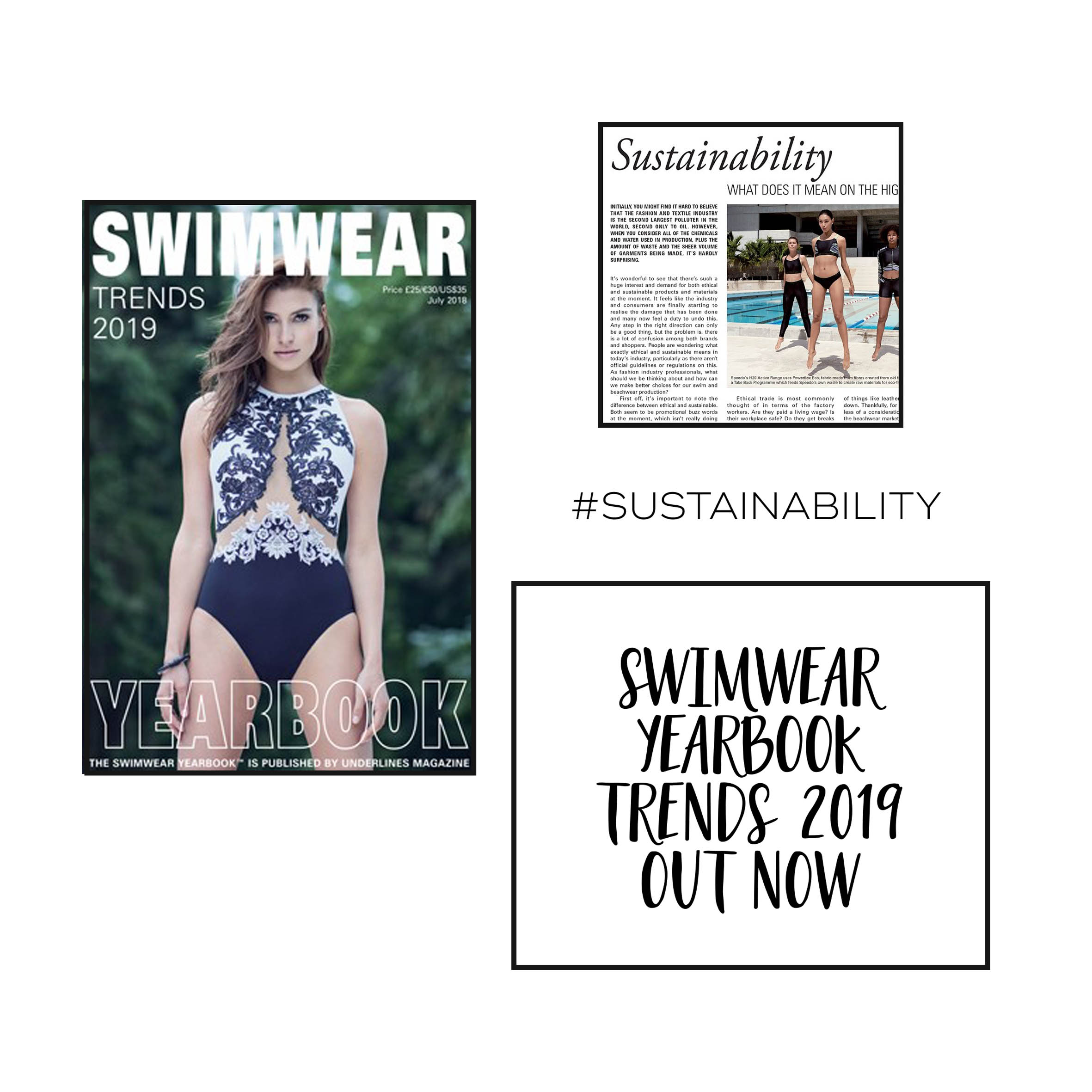
If you've been following me at all, you'll know that I'm passionate about sustainability and I also love designing swimwear. My passion for the two was combined recently, when I was able to write an article for one of my favourite industry magazines, Swimwear Yearbook 2019. I was especially happy to be able to write a piece on sustainability within the swim and beachwear market. Even better, when I saw the magazine in print, I learnt that sustainability was a focus for the issue, which is great for the sustainability cause. If you're in the swim and/or beachwear market, this magazine, published by Underlines, is a great option to consider, as it provides specialist information and content for a fraction of the price of other industry publications. You can learn more about Underlines and the Swimwear Yearbook on their website, here.

I hate spam too - if you sign up to this email list, your details won't be sold or leased to anyone else. I will email you from time to time with helpful content and occasional offers, which you can unsubscribe from at any time.

Placement Prints vs All Over Prints and How They Affect Your Fashion Manufacture
If you’re working with prints you might be wondering what print type you’re using; an all over print or a placement print….
One of my most popular posts is about 'Strike Off's' and how they're important when using print designs in your fashion range (you can read it here if you'd like). Another key part of the print process is deciding if you want to use a placement print, or all over print (known as AOP). In this post, I want to explain the differences between the two and how the process varies slightly.
Keep in mind that whichever process/style you decide, you'll always need to have a strike off produced.
👉 By the way, if you're into behind-the-scenes gems like this, you'll love my Designer Diaries newsletter - packed with tips like this. Grab it free here >>>
What is an all over print, or AOP?
In this case, in the first instance it's as simple as it sounds. An all over textile print basically means that the print is all over the fabric, rather than just printed on one portion of the garment. It get's a little more tricky though as an AOP print can be placed. To explain;
An all over print is most often printed directly onto the fabric, before it is cut and made into a product; you print the whole length of fabric. There are some options for printing an AOP directly onto a finished garment, but I wouldn't usually suggest this, as it's very difficult to do perfectly. A length of fabric is flat and much easier to print than something 3d (like a garment). I often see that when a garment has been printed, there's gaps in the print and the base colour of the fabric can be seen.
To use an all over print, you need to have your print design artwork formatted as a 'repeat'. The artwork should align seamlessly on all sides, so that no lines are visible when the design is printed. Creating repeats is a very specialised skill, so make sure that when hiring someone to create a print for you, they have specific experience with textile repeats. Someone who has other types of experience, for instance a graphic designer or clothing designer, won't be as well placed to create the repeat. Likewise, someone who has textile design experience but only with placement prints, may struggle to get the repeat correct. There's a lot of considerations when designing an AOP print and the repeat itself isn't just about the way the print lines up, but also about the spacing and layout when the design is put together.
Typically, an all over print design would be used like any other fabric; it would be cut in the most economical way and sewn together. However, there are a couple of options that you might want to consider, for an AOP print;
You might want the print to match up at the seams. Particularly if you have decorative seams going down the front that will be really obvious, or if you have a large scale print which will look odd if the prints don't match up.
You might want to request a specific position for the print. For instance, you might want each garment to be exactly the same, so you'd ask for the print to be in the same position on each item. Or, if you have a print that has a spcific look, you might want to ask for a specific part of the print to be placed in a particular area of the garment. You would need to provide the factory with a technical drawing to show the position, along with a detailed description.
Keep in mind that if you ask for a specific placement, this will increase your costs and also make the fabric usage less economical, so it's worth thinking about how important the placement is to you.
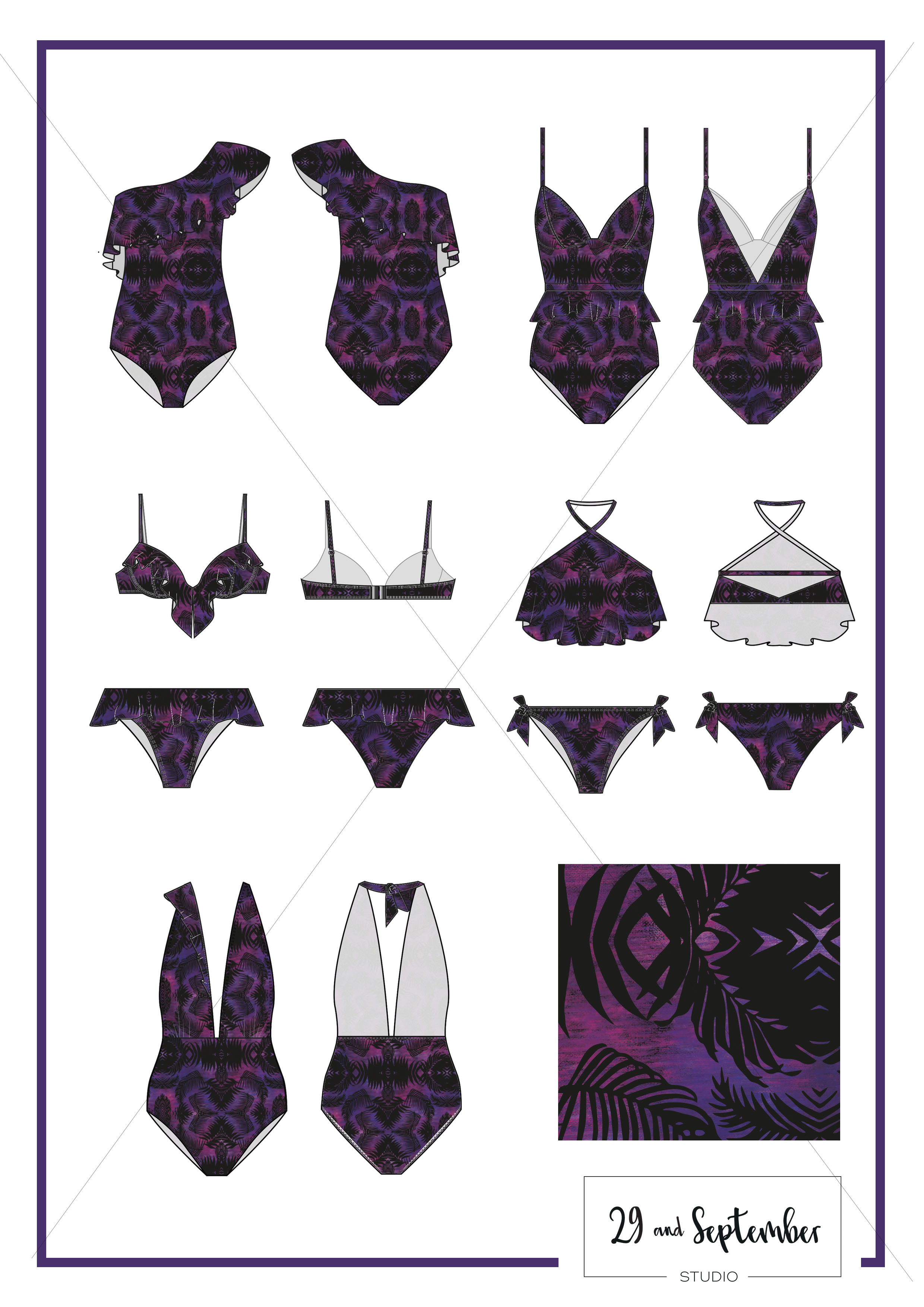
An example of an all over, or AOP print

An example of a seamless repeat print I created
What is a Placement Print?
A placement print is usually applied to the fabric after it has been cut and/or made into a garment. It's not usually printed directly onto a length of uncut fabric (although occasionally this does occur). The artwork itself is sized correctly and is stand alone; it doesn't have to line up with anything else, or be seamless like the AOP print. Things you'll want to consider for a placement print are;
Where will you place the print? You'll want to create a technical drawing which shows the placement of the print, alongside specifications like the measurements of the artwork and also to indicate the position.
You'll need to carefully consider the size, to ensure parts of the print aren't cut off when the pieces are sewn together. Or, if you're printing onto an existing garment, you want to avoid printing over seams as this can be difficult to achieve with a high quality finish.
If you have multiple placement prints on one garment, it's usually best to provide a separate artwork for each, rather than put everything in one file.
A placement print is often quite a manual job, depending on the method used, so be aware there may be some inconsistencies due to human error in the process.
You can see some examples of placement prints below;
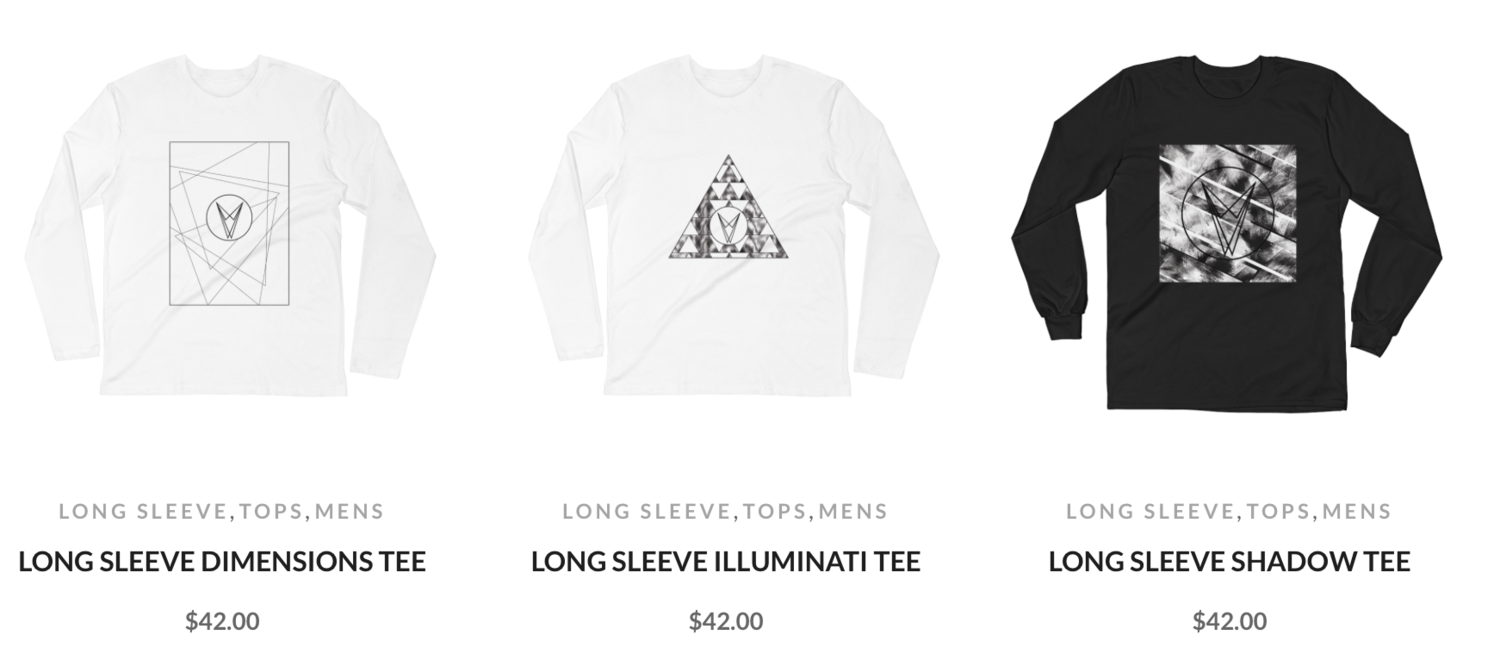
Placement prints I created for Griarte apparel. Their products can be purchased here; www.griarteapparel.com
General considerations for prints with a specific placement
Remember, this could be a placement print, or an AOP print where the placement should be on the same point for each garment.
Typically, because this is more manual and time consuming, this will be more expensive than an AOP print that can be cut out like normal fabric.
Keep in mind different sizing. Normally there are costs associated with creating different sized artworks, so you might find you have to use the same size print for all of your designs. Therefore, this will cause variation in the overall appearance of your designs. For instance, if your smallest size is an 8, you might find that your placement print gets cut off a bit, because the garment is a lot smaller than your sample size. So make sure you check placement prints on every size you're making, before you commit to the final order.
💌 Love this kind of no-fluff, high-value advice?
Then you’ll definitely want in on my weekly newsletter - Designer Diaries. It’s your behind-the-scenes pass to growing a fashion brand without the overwhelm. Think bite-sized strategy, creative inspo, and the kind of real talk your business actually needs.

4 Ways To Make Your Brand More Sustainable - feature on Maker's Row
I’ve written an article for American made website Maker’s Row, to talk about the issue of sustainability and what the fashion industry can do about it….
If you've been following me at all, you'll know that I'm passionate about sustainability and spend a lot of my time researching alternative ways of producing clothing, in order to be more sustainable. I was recently selected to write an article on the subject for Maker's Row, a US based website which focuses on American made products. In the article, I share 4 tips for making a clothing brand more sustainable and the good news is, it's not as complicated as you might think! You can read the full article on the Maker's Row blog, here.
I love helping brands understand sustainability and ethical issues and I’ve created a free Masterclass called ‘How to Start a Sustainable Fashion Brand’. You can register free to watch by clicking here.
I hate spam too - if you sign up to this email list, your details won't be sold or leased to anyone else. I will email you from time to time with helpful content and occasional offers, which you can unsubscribe from at any time.

How to start a swimwear line
I share my tips for starting your own swimwear line, including considerations like fabrics, trends and manufacturing….
Swimwear seems to be the current fashionpreneur's product of choice. As a startup specialist I work with a lot of new brands and over the last year I've seen that pretty much every other request that arrives in my inbox is for a swim or active brand. So, I thought I'd write an article for starting a swimwear line and there will be an activewear one coming soon.
In this post, I'll be covering my tips for specific things to think about when starting a swimwear line. I've worked with around 60 (maybe even 70....) swimwear brands and these are the things I've found that people often miss, which causes problems for them later.


Think outside the box
There is a lot of competition out there. It's not all bad, competition shows there is a consumer demand, but it does mean that you need to work extra hard to stand out. I see so many brands who come to me wanting to recreate designs from other labels - you can't stand out if you're copying someone else! Plus, you'll always be on step behind (or even more). Sure, it's a well known fact that in this industry, brands take inspiration from each other, but outright copying is always a no-no. Not only is is bad for your brand and morally wrong, you can get very large fines when caught (and many big brands have teams of people looking out for copycats).
Starting a swimwear brand is an exciting opportunity to create something unique and have fun designing - take that opportunity! By coming up with something unique, you'll not only set yourself apart from the competition, but you'll also make it easier for yourself, when it comes to promotion. For instance, bloggers and influencers don't want to be featuring the same thing all the time; if your brand and pitch stand out, it's much more likely you'll get featured.
------------ ⭐️ Want support with your fashion brand? ⭐️ ------------
-------------------------------------------------------------------------------
Specialised fabrics
One of the key differences with starting a swim brand vs a 'typical' clothing brand, is the fabric. A lot of people I speak to who are new to the industry are surprised to learn about how complex swimwear fabrics are. This is a specialist type of fabric, you don't want something which is going to go out of shape, get stained by chlorine or sunscreen or stretch so much it falls down, right? You need to make sure that any fabrics, including any decorative trims, such as lace are suitable for swimwear. The same goes for any hardware, such as zips, studs, clasps, fastenings, etc; you don't want those going rusty, or getting too hot in the sun.
You can also use fabrics as a way of adding extra value to your customers. For instance, there are swimwear fabrics available which are made from recycled materials, ones which resist UV rays and give SPF50 sun protection, or fibres which are quick drying, sand resistant and provide muscle control. Think about your customer and how these properties could improve their experience with your products and ask yourself if this is something worth considering for your brand.

Stay trend relevant
In my online course, I have a whole lesson on trend led vs trend relevant and go into detail on how it works. Essentially, you need to ask yourself if you want to be a fashion trendsetter, or be trend relevant. If you don't have a 'fashionable' brand, it's still worth being trend relevant. For 2 reasons, which are (in a nutshell);
Editors usually put articles together based on a specific trend. Even non-fashion magazines, like 'The Lady' or in the newspaper. If you're not trend relevant, you're less likely to be featured as your products won't fit in with the other items they're showing.
Customers are aware of trends, even if they don't follow them. Partly because of the point above and also because they'll notice retailers are showing similar themes and/or colours. If your brand is off on it's own, you're less likely to fit in with purchases the customer has already made and when people are going on holiday (often the reason for buying swimwear) they'll want things that co-ordinate in their suitcase.
Being trend relevant doesn't mean that you have to be a slave to trends, you can still put your own spin on things and keep your brand identity.
Trends also include consumer habits, which are important to be aware of. For instance, one of the leading industry magazines, Swimwear Yearbook, has highlighted sustainability as one of the key trends for SS22 and beyond. I even wrote an article for this issue, due to my passion for sustainability and I'm delighted to see that it's an issue consumers are taking on board. By being aware of these consumer trends, you can design a range which caters to your audience's current needs.
Build a range
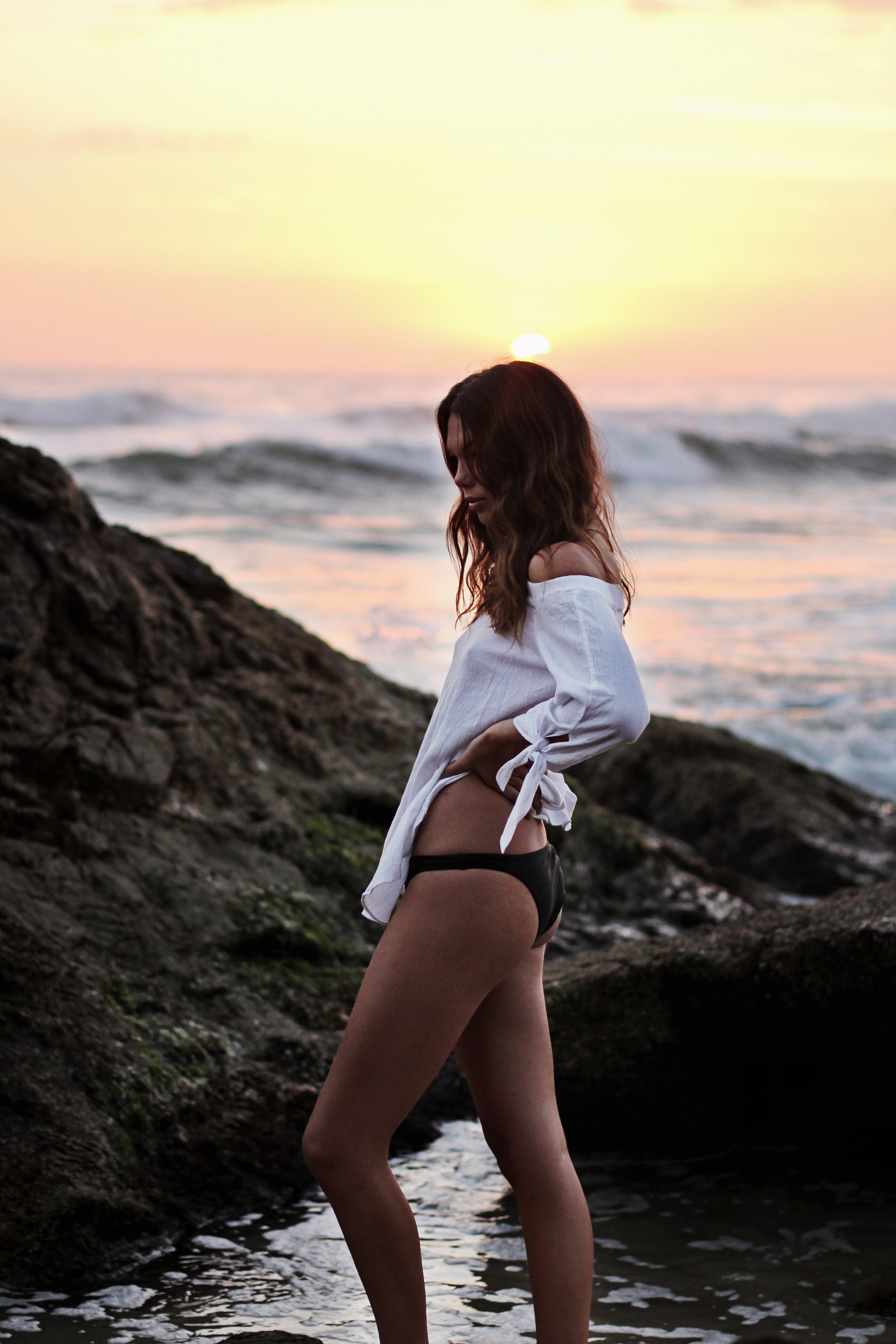
I find that most swimwear brands that come to me think about their designs separately, rather than as a range. In my opinion (and also many others!), one of the best ways to make your fashion business profitable is to make 'add on sales' - essentially selling more than one item to each customer. If you're designing in a way that limits the customer's ability to buy an additional item, this can really hurt your profits. Rather than focusing purely on starting a bikini line, for instance, have you considered creating a beachwear line, so that you can include add on items like a sarong or cover up?

Manufacturing approach
First off, the important thing to realise that I'm not the only one who's noticed a sudden surge in swimwear labels. Manufacturers have too. The problem with this is essentially a supply and demand issue. Before, factories would work really hard to get business, they'd reply in a timely manner and answer all of your questions. Now, they are too busy to do this and if a brand doesn't come to them with the right information, they'll either ignore you, or worse, take advantage of you. So you need to be prepared with your tech packs, quantities and timeline, before you make contact. This way, they'll not only know you're serious (because you're prepared), but they'll also know it'll be harder to take advantage of you (because you've already outlined your expectations in a tech pack).
I've also noticed a rise in factories who offer 'ready made' swimwear, or designs that you can customise. While these aren't all bad, it's not something I'd recommend, for 2 main reasons;
First off, if you think back to tip number 1, thinking outside the box. How can you be unique if you're buying products that lots of other swimwear brands have access to?
Second, sizing. You're probably aware from your own shopping experiences that sizing varies a lot. One brand's version of a size 8 would be considered a 12 by another brand. If you're buying these 'ready made' sizes, you have absolutely no control over the sizing. I've worked with a few brands who wanted to make the switch from 'ready made' to creating their own designs and it was a nightmare. The sizing of the 'ready made' styles was all over the place and typically very small (because they were purchased from a factory in Asia which is typically much smaller than the UK market, where this customer was based). So we had a big job on our hands trying to create consistent sizing across the brand, without confusing existing customs with the size increase.
So, in my opinion wherever possible it's best to start off on the right foot and create your own designs and tech packs, so that you have more control over the sizing and quality.
------------ ⭐️ Want support with your swimwear brand? ⭐️ ------------
➡️ Start here (launched brands) >>>
-------------------------------------------------------------------------------

What is a Lab Dip and Why is it Important for Your Fashion Designs?
If you're working with custom colours for your designs it's really important to get a 'lab dip’. This post explores what a lab dip is + what you should know about it...
So, first and foremost, what is a 'lab dip'? A lab dip is a sample of fabric that has been dyed to your requirements, so that you can check to see if you're happy with it before agreeing for the full order to be processed. If you're creating a fashion range and having your own colours dyed, this is an essential part of the process. I would never arrange for a large order of fabric to be dyed without seeing a lab dip first and encourage you to do the same. As well as picking up potential problems, there's other things that you might notice on a fabric sample, that you wouldn't see on screen or in a colour standard.
What do I need to ask for?
Suppliers will vary in exactly what they give you and will often provide you with something that is most convenient for them. I like to request the following on all of my lab dips, as this gives me the closest representation to the real thing and therefore the most informed choice on whether I want to proceed with the design or not;
When arranging the lab dip, you will provide the factory with a specific colour reference. The way colour is communicated varies between companies, factories and dye houses and there's several different ways of doing things that all work well, so it's up to you to outline how you want to work. Some companies will use a 'Pantone' number (Pantone produce colour books which many people in the industry refer to for their colour reference), while others provide a swatch (small piece) of fabric which they like the colour of and want to match. Whatever you use, this will become your 'colour standard', which your lab dip will be DTM (dyed to match).
Use the correct fabric, i.e. the actual fabric I will use for the bulk order - there's no point getting a lab dip if it's in a totally different fabric. For one, different fabrications dye differently, so if you see a sample in cotton and the real thing is polyester, chances are the colours will look different. Also, the weave or knit of a fabric can play a part in they dying process and the appearance of the shading. For example, if a fabric is printed on a smooth fabric for the lab dip, but the final fabric is a cotton drill (which has noticeable grain and texture), the colour won't appear as 'flat'. Also consider if your final fabric is sheer or semi-transparent and how this will affect the colour.
Provide several samples. I'll admit, I'm pretty picky when it comes to lab dips, but I do like things to be done correctly. I started doing lab dips when I worked for Boden, who you may well have received a catalogue from. Catalogues can be great, however, the problem is that when they're sent, they're sent. For this reason, we always had to make sure that all of our lab dips were accurate, so that the photos from samples in the catalogue were the same as the final colours from the bulk orders. Nothing is more important than keeping customers happy and you need to ensure you meet their expectations at the very least. For this reason, I usually get a set of 3 lab dips from a supplier to select from.
------------ ⭐️ Want support with your fashion brand? ⭐️ ------------
-------------------------------------------------------------------------------

An example of a colour standard printed on fabric, from Print and Press London
What should I look for on the lab dip?
When you receive your lab dip, take a close look at it and compare it to your colour standard. Keep in mind that lab dips are usually TINY, around 2cm x 2cm (less than 1 inch). You might be lucky enough to get a bigger sample, but usually they are super small, so you will have to look extremely closely.
This probably sounds strange, but look at the lab dip in different lights, in different angles, even hold it up against yourself and look at it in the mirror. In industry, we look at these in a 'light box', which control the 'type' of light being used. While these are helpful for lab dips, they're also very expensive and personally I don't feel they're worth the investment as a small brand. These are the things I always look out for and ask myself when assessing the lab dip;
Do I like the colours and if I've given a fabric reference, do they match? I do find in the industry, we can be over critical of colours and expect the closest match possible (myself included!). The most important thing to keep in mind is, if this colour is different, will it affect anything else in the range. If you've got plain fabrics, trims and accessories all matching the same colour, it's really important to ensure that the colour is a perfect match. Otherwise, when everything is sewn together, it can look 'off' and a bit cheap if the colours don't match well. However, if the colour is a one-off in the range, it can be good to take a step back and simply think, 'do I like this and will my customer like it'? If so and the colours are a bit out, it's perfectly acceptable to approve it in this instance.
Keep in mind that different fabrics dye differently, so you may notice colour variations across the same colour because of this. As with the point above, you want to think about what the lab dip is for and what the fabric will be used for. If there's 2 different fabrics, in the same colour on the same garment, you'll want to look at this closely. Do factor in things like a shiny fabric vs non-shiny. The way the light reflects off of a shiny fabric will always make the colour appear different, hence the importance of checking in different lights.
Is the quality as expected? The same colour can look great from one supplier, but awful from another, so it's always best to look at the details. Aside from the colour, the saturation is one of the most important things to check. The saturation is essentially how well the colour has taken to the fabric - is the application even, or is the base colour of the fabric showing through? The handfeel is also important to check, as some dyes can alter the feel or on some occasions, performance of the fabric.


How to give comments on a lab dip
First off, it's important to know that you don't have to accept the first lab dips the supplier sends (even if they send you multiple options the first time round). That said, do be aware of your timelines. There should always be enough time for multiple lab dips, but I know a lot of people (particularly, those new to the industry) tend to underestimate timings, so do double check that an extra set of lab dips won't affect your end delivery date. In terms of the comments themselves;
First off, if the factory gave you several options, choose the one that's closest to your colour standard
Depending on the type of supplier you're working with, you might be able to get away with a generic comment like 'Option A is best, but this is too dark, please revise' BUT....
Many factories will require (they might not ask for it, but you'll find you'll get better results from them) specific details. For instance 'Option A is best, but it's too dark and needs to have less black in it. The tone is also a little too yellow, so please reduce the amount of yellow'.
The factory might agree to make the changes on the bulk order. DO NOT accept this! You must see a revised lab dip to approve, before the bulk fabric is dyed, so make sure you ask to see one.
I hope this has helped you to understand what a lab dip is and why it's so important - don't commit to dying fabric without having seen a lab dip that you approve of!
If you're keen to learn more about the process of getting a garment into production, I have a free Masterclass available called ‘How to get Your Fashion Ideas Produced’ and you can click here to register free to watch.


How to start a fashion label; planning for your new business
The next in my ‘How to Start a Fashion Brand’ looks at the importance of planning. Do you need a business plan? Perhaps not, but there’s still ways you can outline your business strategy to improve your chances of success.


If you're new to the blog you might have missed the first two parts in the 'How to Start a Fashion Brand' series. If you'd like, you can start with part 1, defining your customer, by clicking here.
So, first and foremost, what kind of planning are we talking about? You might be really relieved to hear that it's unlikely you'll need to create a formal business plan. These are only really necessary if you want to get some investment, or take out a loan. Essentially, the business plan is just for you at the start. Because of this, many people skip this part and just dive right in.
Please DON'T do that!
Why? Because that old saying really is true, a failure to plan is a plan to fail! There's so many reasons to make a plan before you start your new business, including;
So many new entrepreneurs come to me because they get stuck and can't figure out what to do next. By having a plan from the start, you'll always know the next step and will waste less time procrastinating and figuring things out.
Decision making becomes a lot easier; when you have a plan for your fashion line, you can make decisions based on what will get you closer to your specific end goal.
There's lot of different selling strategies when it comes to fashion. By deciding which methods you'll use from the start, you can design your range accordingly and make sure the collection fits in with the retail prices you want to offer to your customers.
In the first post of the series, we talked about the importance of the target customer. Each step of the business process, from the collection you design, to how it's made and marketed, should always have the customer at the forefront. By choosing a business strategy in advance, you can make sure that it's the right one for your customer and their expectations for the brand.
What happens if you don't make a plan? In one word. Stress!
Full disclosure, for my first business; I didn't make a plan. I was young, naive and thought I could 'wing it' (sound familiar?!). To my surprise, I actually made sales and even more surprising, I couldn't keep up with it. I didn't have a plan or systems and ended up working half the night, 7 days a week in order to keep up with demand. I was stressed to the max and couldn't see a way out. Not only that, but because I was wasting so much time because of bad planning and processes, I couldn't even develop my business with new products, so things kind of fizzled out. Long story short, I took time out to plan and reorganise and what do you know, my designs made it into the Vogue diaries AND I didn't have to work through the night. Win!
The moral of the story? MAKE A PLAN!


------------ ⭐️ Want support with your fashion brand? ⭐️ ------------
-------------------------------------------------------------------------------
What do you need to know about yourself, before you can make a business plan?
Before you can make a start on planning, you need to ask yourself a few important questions. I encourage you to really think about this and actually write your answers somewhere to help you focus.
How much time can I spend on my business per week?
How much money can I afford to spend on my brand this year?
How much of a risk am I willing to take?
What do I want to achieve with my brand?
How do I want this business to affect my life (eg, do you want to have some additional income from something you like, do you want to solve a problem you've seen, do you want to make your business your full time job?)
Also, you can think about your target customer and the information you have on them;
Does the customer want unique pieces, or do they normally shop at mainstream brands?
How does the customer shop? For example, via social media, a website, or do they prefer to browse in store, or at an event?
Does the customer value the experience, are they willing to wait for their garment? Or do they want it right now?
In general, there's a lot of other considerations for your business, but these particular questions can help you to decide on which business model is best for your particular situation.
Making a plan is also about taking time to think about the type of business model that's right for you, your business aims and your target customers. After you've answered the questions above, take some time to think of the business strategies available and which would work with your answers.
So, what kind of business models are there?
Custom orders; where you make garments after a customer has purchased them. Often brands who use this method will offer some sort of customisation, for example they offer a range of colours or lengths.
Pro; Don't have to hold lots of stock
Con; Requires a lot more management
One of a kind, or OOAK; This could be things like vintage clothing, or upcycled/repurposed items.
Pro; Don't have to spend money on sampling
Con; Each item can only be sold once, so there's more work to do. Both creating/acquiring new stock to sell and also things like photography, if selling online.
Preselling; making samples to test your ideas and sell to customers, before you commit to a larger scale order
Pro; You can test your ideas before spending lots of money, or committing to a large order
Con; Customers will have to wait for their item to be delivered
One product; don’t feel like you have to launch a whole range to have a successful fashion business. If you’re on a budget, it’s possible to begin with just one, well thought out style.
Pro; Easier to manage as you don't have lots of styles in development at once
Con; It's harder to sell multiple items at once
Selling direct to consumer; this is where you sell directly to the end user, without a middle man. This includes things like selling on your website, via social media, or a pop-up shop
Pro; Higher profit margins and you're in control of your marketing and brand
Con; You have to have lots of customers in order to make a lot of sales
Selling wholesale; this is where you sell to a third party, who will then sell on to their customers. For example, you might be stocked in a local boutique, department store, or on a website like Net-a-Porter.
Pro; You can often get big orders from just one customer
Con; You make less profit and have less control over the marketing of your brand
Chances are, to get the perfect business model for you, you'll want to mix and match some of these concepts. They all have pros and cons, so it's all about selecting the one that's ideal for your situation. The pros and cons I've listed here are by no means an exhaustive list, but hopefully it'll get you thinking about what options are out there and how they work.
I hope this has helped you to understand why it's really important to have a plan before going into business and also helped you to understand some of the things you need to know about yourself and your brand, before you can make a start.
As I said, all of the business model options have lots of pros and cons, which I go into in extensive detail in my signature 'Fashion Startup Online Course'. You can learn more about the course, what's included and how it can help you, below;
------------ ⭐️ Want support with your fashion brand? ⭐️ ------------
➡️ Start here (launched brands) >>>
-------------------------------------------------------------------------------
I hate spam too - if you sign up to the email list, your details won't be sold or leased to anyone else. I will email you from time to time with helpful content and occasional offers, which you can unsubscribe from at any time.
How to think about Ethical and Sustainable Garments - feature on The Fashion Conversation
I've collaborated with 'The Fashion Conversation' on another article; Basics 101: Technical Drawings, to help aspiring designers make it in the fashion industry....

If you've been following me at all, you'll know that I'm passionate about sustainable trade, so it's no surprise that my fourth instalment for the The Fashion Conversation is on this topic. In case you missed it, I'm collaborating with the blog to create articles aimed at helping aspiring designers to make it in the fashion industry. The first post was entitled; 'Basics 101: Where To Start When Building A Fashion Brand' + I shared 5 steps that will take your business from daydream to reality. You can read the full post on The Fashion Conversation website, here. Next, we talked about technical drawings; you can learn all about them in this post and fit sessions are covered in this one.
The fourth part of the instalment covers the basic things you need to know about both sustainable and ethical business practises. You can read the full post on The Fashion Conversation here and there's further reading on the subject in this post 'Why Being Sustainable is Good for Your Fashion Business'.
I love helping brands understand sustainability and ethical issues and I have a free masterclass here if you’d like to learn more about starting your own sustainable fashion brand. Click here to register free.

I hate spam too - if you sign up to this email list, your details won't be sold or leased to anyone else. I will email you from time to time with helpful content and occasional offers, which you can unsubscribe from at any time.
Apparel Manufacture; How to Masterclass
It's finally here! This free training video will teach you the key steps required to take your brand from idea through to production...
I’m excited to announce my free Masterclass about how to get your apparel manufactured! This free training is perfect for anyone who is thinking about starting a fashion brand, or who has made a start but is getting stuck on what to do next. I'll talk you though 3 key production steps and give you some expert tips that I've come across during my 14 years in the industry.
Want to know more about the free training and sign up? Click here to learn more.
I hate spam too - if you sign up to this email list, your details won't be sold or leased to anyone else. I will email you from time to time with helpful content and occasional offers, which you can unsubscribe from at any time.
Skills you didn't know you needed as a fashion entrepreneur
In this post, I cover some of the skills that you'll need when running a fashion label...
If you've been following along with the blog, you might have seen a post I wrote last week on my journey as a fashion business owner + the ups + downs I faced (if you missed it, you can read it here). I got a great responce from this (thank you!) + a lot of you told me that you were surprised about how much went into running a clothing brand. There seems to be a misconception that it's easy, you just come up with some deign ideas, the factory makes them + *boom* you're ready to sell! If only! There's so many skills that you need to have as an entrepreneur + many of them aren't what you'd expect. A lot of people assume the main skill you need is creativity, but actually you need a lot more than that. Thankfully, a lot of the skills are probably ones that you have already. In this post I'll run through some of the things you need to have, so you can brush up on any skills you're not so hot on, before you embark on starting a fashion brand.
The main skill sets you need are;
Maths + calculation
Copywriting
Photography
Negotiating
Good understanding of programmes, such as Excel, image editing, email service provider, web platform
Business accumen
Creativity
Of course, you may wish to hire people to help you with these things + that's absolutely fine, but if you're on a small budget + want to minimise how many people you work with, it's a good idea to brush up on these skills. The good news is that there's great content available around the internet, which you can use as a starting point for free learning. I've been pinning any good links I come across onto my Pinterest page, which you can see here.


Maths + calculations
When you dreamt of becoming a fashion designer, sitting doing maths (or math, to our friends across the pond) + working in Excel for a large portion of the day probably wasn't what you had in mind. As a small business owner of any kind, there's a lot of calculations to do; accounts, invoicing, sales figures, website data, ordering stock, budgets, plans, forecasting.....most of which is done in Excel (or should be, to make your life easier!). But for a fashion brand, there's even more maths; you have garment measurements, tolerance, grade rules + size breaks to consider. If you're selling in more than one place, for instance, your own website, Etsy + wholesale, you'll also need to do stock allocations, so that each sales platform has enough stock. Being able to construct formulas + calculations will make your life a lot easier, so spend some time in Excel when you can. If, like me, you have a Mac, your computer will come with 'Numbers' instead of Excel. I'm an Apple girl through + through, with the exception of Numbers. Compared to Excel I find it a little clunky + formulas don't seem to be as easy to construct (it may just be me!), so I'd consider getting Excel for Mac - it's pretty inexpensive and available for only a few £/$ per month.
------------ ⭐️ Want support with your fashion brand? ⭐️ ------------
-------------------------------------------------------------------------------
Copywriting
It's amazing how much writing you do as a business owner, each + everyday. Aside from the emails that constantly need answering, great writing skills can make you money. How? For instance, if you write thoughtful, engaging product descriptions in a way that appeals to your client, you can add an extra level of interest - you're still giving an accurate description of the product, but by using language that resonates with your customer, you can build trust + encourage the sale. Another example would be writing sales emails to boutiques, to try + get wholesale business. Or by pitching your brand to a magazine editor. Sure, the products you have are really important, but if you don't have a great email, will the recipient even get to the photos? They'll need to have something to catch their attention, in order to make them open your attachment, or visit your website.
Photography
Chances are that you'll hire a professional model + photographer for product shots + perhaps a look book. But what about all the other content you need to create? The exact amount varies depending on who you ask, but marketing professionals usually recommend one post per day on Instagram + Facebook as a minimum, some recommend posting many more times. You're audience will get bored pretty fast if you're constantly self promoting + posting pictures of your range. You'll probably have noticed that a lot of brands mix up their photography, perhaps using some model shots, some flatly + often something unrelated to fashion. You need to think about where all that content is going to come from. Photographers are expensive + it'll quickly add up if you're getting them to do social media photography as well as the product shots. Many people are tempted to take other photos from the internet + use them - I strongly advise that you don't do this. Did you know that if you post someone else's picture, even if you credit them + link back to them, the fines for this start at over $8000 for copyright infringement. That doesn't include legal costs + damages. $8000!! I certainly don't have that kind of cash, which is why I spend a lot of time taking my own photos, or obtaining licensed photos that I have the legal right to use.


Negotiating
This is a tricky one to learn + although you can read about this + watch videos online, it's certainly something that get's easier with time. For a fashion business, you'll need to know how to negotiate both ways - as someone who is buying product (raw materials, labor for sewing, etc) + someone selling a product. Negotiation doesn't really play a big part in direct to consumer sales, but if you're wanting to work wholesale, chances are you'll need to negotiate with the buyer.
Computer Skills
In this day + age, everyone has computer skills, I get it! But I'm talking about specific programmes that can help you build systems to save time and/or money in your business. These include things like;
Excel, like we talked about earlier
Image editing software. This doesn't have to be Photoshop. In my opinion, this is by far the best, but it comes with a massive learning curve (I've been using it for 16 years + still surprise myself sometimes!), so I generally wouldn't recommend it if you're not going to be using it often. There's a lot of other options, even free apps on your phone that can help you to edit photos + create text + graphics for your business, so don't feel like you have to be a Photoshop pro to have nice images.
Email provider - your email list is a very powerful, so make sure you use a provider who can support you with email marketing. There are some complex tools here which can help you gain loyal followers, so make sure you can produce automations, tags + segments in order to make the most of this. Having some training on the functionality + sequence building will be really helpful.
Website - you may choose to have someone make your website for you, but you don't really want to be having to spend money on a web professional every time you want to make some changes to your site, or add some new products, so try + learn some of the basics yourself and/or use a website platform with drag + drop functionality to make life easier.
Creativity
Yes, this is the one you were no-doubt expecting. Creativity is important not just for the look of the brand + the products, but in everything you do. This includes things like, the layout of your website + emails, the look of your social media posts, your packaging + in-store appearance + basically anything visual that your customer will come into contact with. Creativity can also be useful for things like ideas for promotions, blog posts that get your target audience visiting your website, or creative marketing concepts.


Business accumen
This one can be hard to learn if you've not worked in industry before, or had a business in the past. There's of course a lot you can read about + learn, but the fashion industry tends to be secretive + not many people want to share their ways; this is one of the main reasons I started this blog as I wish something like this had been around when I started my company! Getting a strong business acumen does take time + involves a lot of trial + error + mistakes.
If you're wanting to start a new business + want to minimise the amount of trial, error + mistakes, I'm excited to tell you that I've developed an online training course, to help you implement a well-considered business strategy from the start. If you want to start off confidently + learn from my mistakes, this course might be ideal for you - I'll give you all of the training to take you from idea through to production. You can learn more about what's included by clicking here.
I really hope you enjoyed this post! Did any of these skills surprise you? I'd love to know, so please feel free to share your thoughts in the comments!
------------ ⭐️ Want support with your fashion brand? ⭐️ ------------
➡️ Start here (launched brands) >>>
-------------------------------------------------------------------------------
I hate spam too - if you sign up to this email list, your details won't be sold or leased to anyone else. I will email you from time to time with helpful content and occasional offers, which you can unsubscribe from at any time.

Small changes that make your fashion brand more ethical + sustainable
A lot of people want to be more aware of their environmental + social impact, but many don't know where to begin making positive change. Here's a few places to start....

The more I learn about the fashion industry, the more I find it hard to sleep at night. The industry is guilty of some of the most sickening + inhumane acts + most consumers are totally unaware, or shy away from learning the truth, because they too will find it hard to sleep. In addition, clothing manufacture is the second largest polluter on the planet. This post isn't about guilting you into things, but instead, talks about simple, inexpensive changes that you can make to your business to make it more ethical and/or sustainable. It accompanies last weeks post, which talks about why being sustainable is good for business, not just the environment (you can click here to read if you missed out).
The days of ethical brands being solely for hippies + stores filled with incense are long gone, nowadays, on the surface of things an ethical brand looks just the same as a 'regular' one, just without all of the unsavoury things that go on during production. Being sustainable or ethical no longer has to mean sacrificing on your aesthetic, there's sustainable fabrics made that can replace traditional ones + suppliers operating on all levels who adopt ethical practices. So, as a small business, what can you change to make your business more positive, without having to spend a fortune?
Use certified products + services
There's a lot of organisations around who monitor production + manufacture. By using companies who are certified by these organisations, you can make choices that are better for your business, without having to spend time and money getting things tested for yourself, this is particularly useful when choosing fabrics. If you see a fabric that has been certified, a quick Google search should be able to tell you more about the origins of the organisation + what the certificate means for you + your product. There's certificates for different purposes, for instance GOTS (The Global Organic Textiles Standard) focuses on the origins of fibres + raw materials + whether or not they are organic, whereas Fair Trade focuses more on ethics + workers rights.


Use organic, low water cotton
Although Cotton is a natural fibre, it is often labelled the world’s dirtiest crop + requires a huge amount of water to grow + often fertilisers are used, which are packed with harmful chemicals. Cotton is used for lots of products, such as t-shirts and jeans + the amount of water used to make one cotton tee + one pair of cotton jeans is the same amount of water consumed by one person in 3 years. 3 years!! The UN estimates that if things continue as they are, half of the worlds population will not have access to clean water by 2040. So, by choosing an organic cotton, which doesn't involve the use of chemicals + therefore doesn't pollute water, you're already making a positive change. Organic cotton is widely available + often certified by GOTS, or another similar agency. It's also possible to buy 'low-water' fabrics, which means that considerably less water has been used during the production process. You could also consider cotton alternatives, such as bamboo + modal, both of which have some lovely properties.

Use recycled polyester
If you've been watching the news lately, you'll know that the world has a huge problem with plastics, as they take hundreds of years to decompose + are clogging up our landfill sites. What you may not know is that that a lot of fabrics, including the commonly used polyester, are plastic based. The good news is, a lot of companies are now producing recycled polyester fabrics - some are even made from old fishing nets that have been collected from the sea. This is a great programme to back, as not only does it support recycling, but it also protects marine wildlife like turtles + dolphins from getting caught up in plastic. Recycled fabrics are available for a whole range of uses, from swimwear to sportswear, stretch t-shirt fabrics + cosy sweater fabrics. So, if you're thinking of using polyester in your range, it's best to look for one that uses recycled fibres.
The best part is that a lot of eco-friendly, sustainable fabrics don't cost as much as you think + are often a similar price to a good quality 'regular' fabric. Perhaps even better, most of the companies offering sustainable fabrics also allow small minimums, meaning that even small companies + startups can benifit. Comapnies like Offset Warehouse have a minimum order quantity of only 1m!


Limit the amount of packaging you use
Not only is using less packaging better for the environment, but if you're using less, you're buying less + therefore spending less. Also consider how you can recycle the packaging you do use - not only sending it off for recycling, but also reusing things (which also saves you money, as you don't have to buy new all the time!). For example, do you need to wrap your items up in a plastic bag and then put them in an envelope for sending, or could you just put them in the envelope? Do you actually need an envelope with bubble wrap, or could you use a regular envelope? Clothing isn't breakable, so it doesn't really need to be wrapped in air filled plastic. If you're worried about what you're shoppers might think, communicate with them. As long as they receive the items in good condition, they won't be bothered about what it arrives in + if they'll probably be happy if you tell them that you're trying to limit the waste you create, for environmental reasons.
Use recycled paper
A good way to help the environment is to limit the amount of documents you print off. Do you really need to print that sales report, or could you read it on screen? Do you need to enclose a printout of a customers order in a package, or could you send an email instead? If you do have to print, use recycled printer paper, which is inexpensive + widely available. If you're having business cards made, or other stationary, most comapnies offer a recyceld paper opeion + many can print with enviromnetally friendly ink + can avoid using techniques which make it impossible to reycyle the cards/flyers/etc,


Check the source of any fibres with animal origins
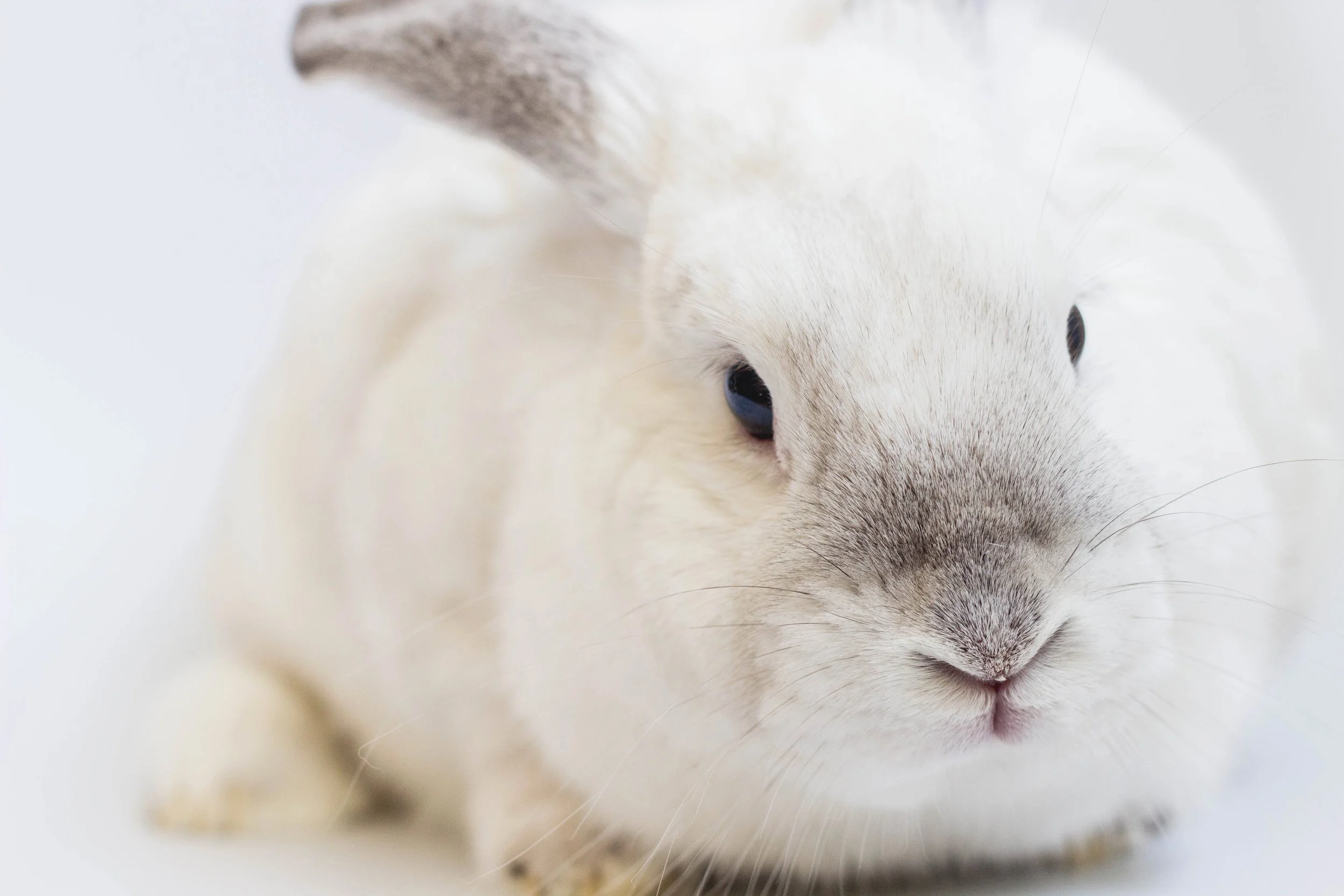
Many of us know about the barbaric practices of the fur industry, which causes millions of animals pain + suffering throughout their life, not just when it comes to the end (which comes in a horrific, dark ages torture style for many, including the 2 million dogs a year who die for fashion). But did you also know that a lot of fake fur is actually made from real fur + there are a lot of products that are made from animal parts, even things like jumpers? If you're using fake fur it's best to check the source thoroughly, as sadly a lot of retailers have been finding out that the fur they purchased as fake, is actually real, even large retailers like Amazon. Also, products like angora are made from 50million rabbits per year, in a process so awful that many retailers had to drop it after boycotts following a video PETA released of the process. As with fur, it's worth following up on all animal based fibres, even with common fibres like wool. Even in the western, (generally considered more animal friendly) world, sheep undergo a mutilation process, so it's best to check that your wool has come from an ethical source. There's a lot of smaller companies starting to pop up, who work with local farmers + build a relationship with them to ensure animal safety + wellbeing. If you can't be sure, it's probably best to consider other fibres - remember that the majority of producers view animals as a commodity without feeling + treat them as such.
Visit your factory, or arrange an audit
I, like many people believe that it should be a basic human right to be paid for the work you do + work in a safe environment. Unfortunately for many people, this isn't the case. Contrary to popular belief, this isn't solely a problem for the developing world, even in my hometown of Leicester, England, there have been cases of slave labour + people being paid below minimum wage in garment factories. + even I've been subjected to working hundreds of hours in overtime, without pay. If you're able, try to visit your manufacturers + see what the conditions are like + speak to the staff whereever possible. Not just the boss, but anyone who you can find. If you can't visit, there are agencies around such as QUALSPEC who can do factory visits + audits on your behalf.
I hope this post has given you some ideas of how your buisness can operate in a more positive way, without having to spend extra money. In some cases, it even saves you money! Have you got any tips for operating a more sustainable/ethical business model? I'd love to hear them, so please feel free to leave me a message in the comments below...

I hate spam too - if you sign up to this email list, your details won't be sold or leased to anyone else. I will email you from time to time with helpful content and occasional offers, which you can unsubscribe from at any time.

The truth about starting a fashion brand
In this post I share the story of when I started my fashion brand, to help debunk some myths + help you with your label...
I work with small and startup fashion labels day in, day out and I come across a lot of misconceptions about what to expect and what running a business is really like. Today, I thought I'd share my story, to debunk some of those fashion industry myths and also tell you about the difficulties - probably not what you want to hear (because who wants difficulties, right?), but it's best to be prepared. The way I ran my business is one of several options and it may not be the right one for you, but whichever business model you choose, some of the realities in this post will be the same.
Excited to start your fashion label and want step-by-step help to launch your first clothing collection? I’d love to support you inside The Fashion Startup Online Course and Accelerator.
So what business model did I use?
To be honest, I was pretty clueless in the beginning. Despite having spent the last 6 years in fashion education and getting a degree in it, I found nothing really prepares you for running a business, or being in the real world. The one thing it did mean, was that I new how to pattern cut and sew, so I could make my own samples (this is where you and I may differ - I know most of my readers have no experience in fashion and that's ok). I wouldn't say I set off with a particular business model because in all honesty, like a lot of new entrepreneurs, I didn't put much thought into the whole thing (fatal error, as you'll find out later!). Looking back, initially I fell into the custom-made, part time job space, rather than trying to create a full time job from the start. I played about with some ideas and settled on creating basic printed tees and bags (there's an example below - cringy pictures looking back but that's what the Etsy market was like back in 2010!). So I went to a trade show to find suppliers to work with and made up some samples. I listed them on Etsy (this is back in 2010 and there was't a huge amount of people in the fashion space then, it was more about cards, jewellery and art) as custom made items. Basically, you could select a design and colour option from my colour chart and the customer would get their bag within 2 weeks.


How did it start?
It started off super slow (hardly surprising as I had no target customer, no strategy and hardly any advertising!). In fact in the first year I barely sold anything. Fortunately, it didn't matter too much financially as I'd developed good relationships with suppliers, so I didn't have to hold any stock - I could order fabric and trims as orders came in, the delivery was super fast and reliable. This meant that other than the money I'd spend on samples, I didn't have any expenses. Ideal when you're not making any money!
Of course, I did want to succeed and I realised that something had to change, so I spent a long time analysing my designs and also feedback I'd received. This is when I realised the power of having a target customer. My shop was very random and basically just a collection of things I liked, but it wasn't targeting anyone in particular. People would land on my shop and go to view all of my listings, but as there wasn't any particular theme, or niche, they would just leave as there wasn't anything else of interest to them. I realised I had to focus on something and at the time there was very little in the way of customised items for bridesmaids and wedding guests. I had found my niche! And things changed quickly. Because I had found my target audience, I could start networking with them, designing to cater to their needs and things really started to change. The sales soon began to come in and the best part was that most people have several bridesmaids and wedding guests, so a typical order for me would be 4-8 items per sale. It was great! Until a lot of sales became a crazy amount of sales. Who’d have thought too many sales would be a problem?
------------ ⭐️ Want support with your fashion brand? ⭐️ ------------
-------------------------------------------------------------------------------
When do sales become too many sales?
As I mentioned earlier, I started without a plan. This seemed to go ok at the start, until I started getting too many sales (yes that really is a thing, in fact, did you know that a lot of businesses fail because they have too many sales and can't cope, causing them to go bankrupt?). I had so many orders and no systems in place, so I was working all through the night more times than I care to admit, trying to get orders ready for the morning post. I needed help, but as I didn't have any organisation, I'd have to first develop the systems, to then teach someone, to then hire them and hope they did a good job - this was all way too much, so a lot of time went by and nothing changed. By this point, even though I had quit my day job and gone full time, I was still working 80-100 hours every week to try and keep up. Worst of all, I wasn't making anywhere near enough profit, because without proper structure my expenses were much higher than they should have been. So I was exhausted, barely earning minimum wage and in desperate need for some systems, but had no time to implement them. But I also wasn't ready to give up.
So I hit reset. I took a risk and dramatically reduced my options and only kept styles that were fairly easy to make and were earning a good profit. I discontinued the other lines to make things simpler. It's much faster to produce 10 of the same thing, rather than 10 different items. This then saved me some time so I could start working on finding more sewing help and also to develop my much needed systems.
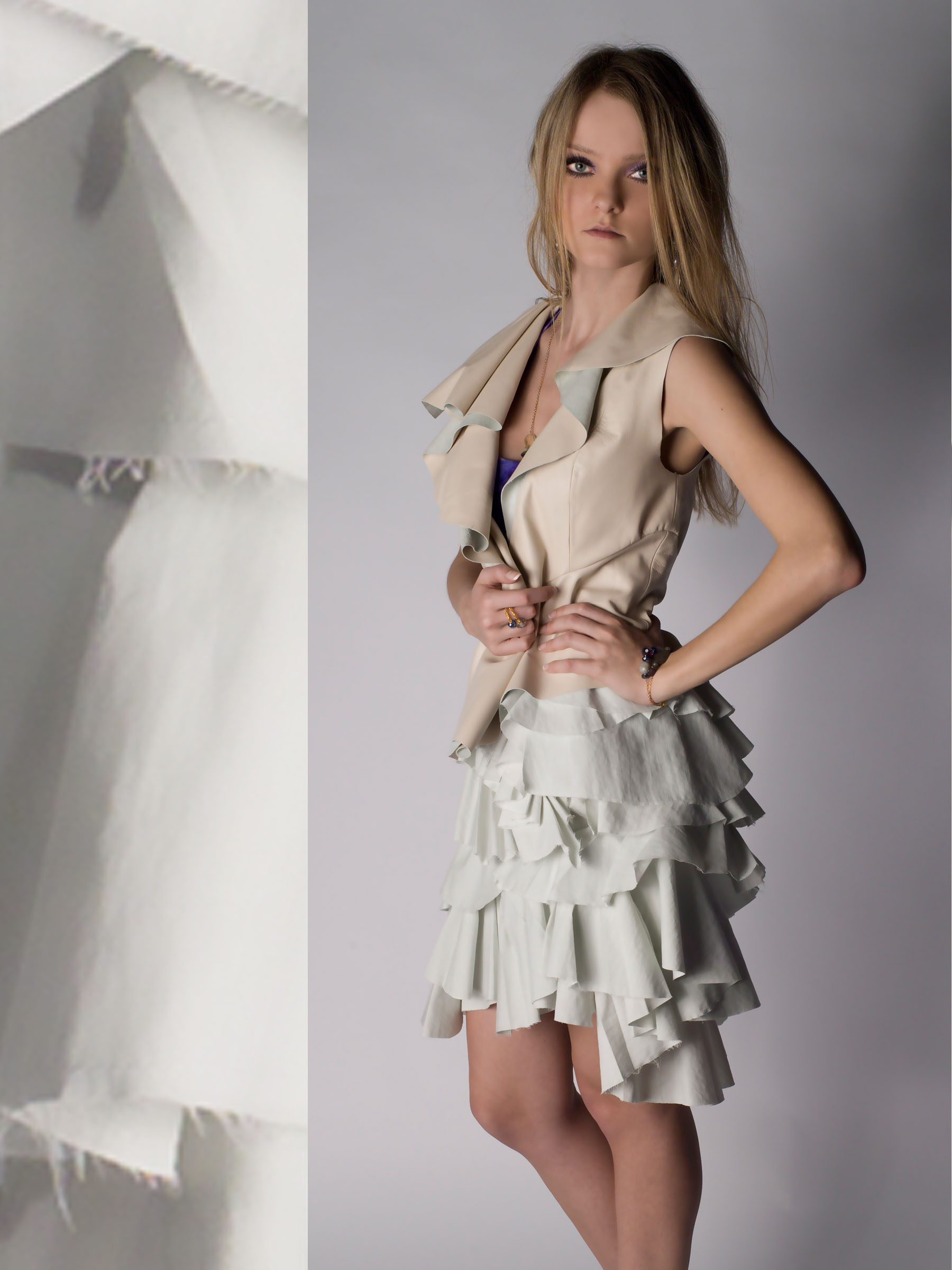
Two of the outfits I designed back in the day!

What systems does a business need?
By systems, I basically mean anything that can make your day to day easier and/or faster. Some examples of the systems I started to use are;
Scheduling social media posts - it's always faster to do things in bulk, so I developed a system where I load all of my social media posts for the week in one go. My software then sends the post to go live at the time I've programmed in
Accounts - I spent a long time building spreadsheet for accounts and finances. Now, all I have to do is enter the amount earned or spent and the formulas do the rest of the work for me - even my year end report automatically updates, so when tax return time comes, all of my figures are already complete. I can even link this up to my website, so any sales are automatically added
Postage systems - I created a system to automatically print any postage labels, returns forms and invoices, to save me time when packaging orders
Emails - I used to get emailed the same questions a lot, for instance a member of the press wanting to know about my brand, or a buyer wanting a line sheet. I set up drafts, so with a little editing I had all of the information ready to send, rather than having to write the whole thing from scratch.
Nowadays, I have systems for absolutely everything. I’m happy to admit that I’m a massive geek when it comes to systems. But, they give me hours of my life back to either work on important things for my business or have leisure time - what’s not to love?!
Systems allow you to automate your process as much as possible, or bulk tasks together to save time (because, lets face it, as a business owner there's never enough hours in the day).
The scary thing is that it took me years to figure these things out and if I'd known them from the start, I would have saved myself so much time and money. That's one of the reasons why I now help new entrepreneurs with their systems - so they don't get in the same state I was in, when I literally had too many orders! If you want to know more about how I can help, you can click here for a list of the services I provide, or email contact@thefashionbusinesscoach.com for help.
How did the systems work out?
Like a dream! When I'd got my business organised, things were so much easier. For one, I had claimed so much time back and also, if I needed to hire some outside help it was easy, because I could simply hand over my guidelines (for my way of working and what they needed to do) and away they went. This gave me a lot more time to spend designing new ranges, pitching my range to the press and buyers and invest in new products. I found that when you've put in the hard work to get your range out there, there comes a time when you no longer have to spend all day doing marketing, as people start coming to you. There came a point where the press and buyers approached me. I even woke up one day to find myself featured in the Vogue diaries, after a celebrity bought one of my bags and used it on the red carpet (below) - I had no idea it was happening!
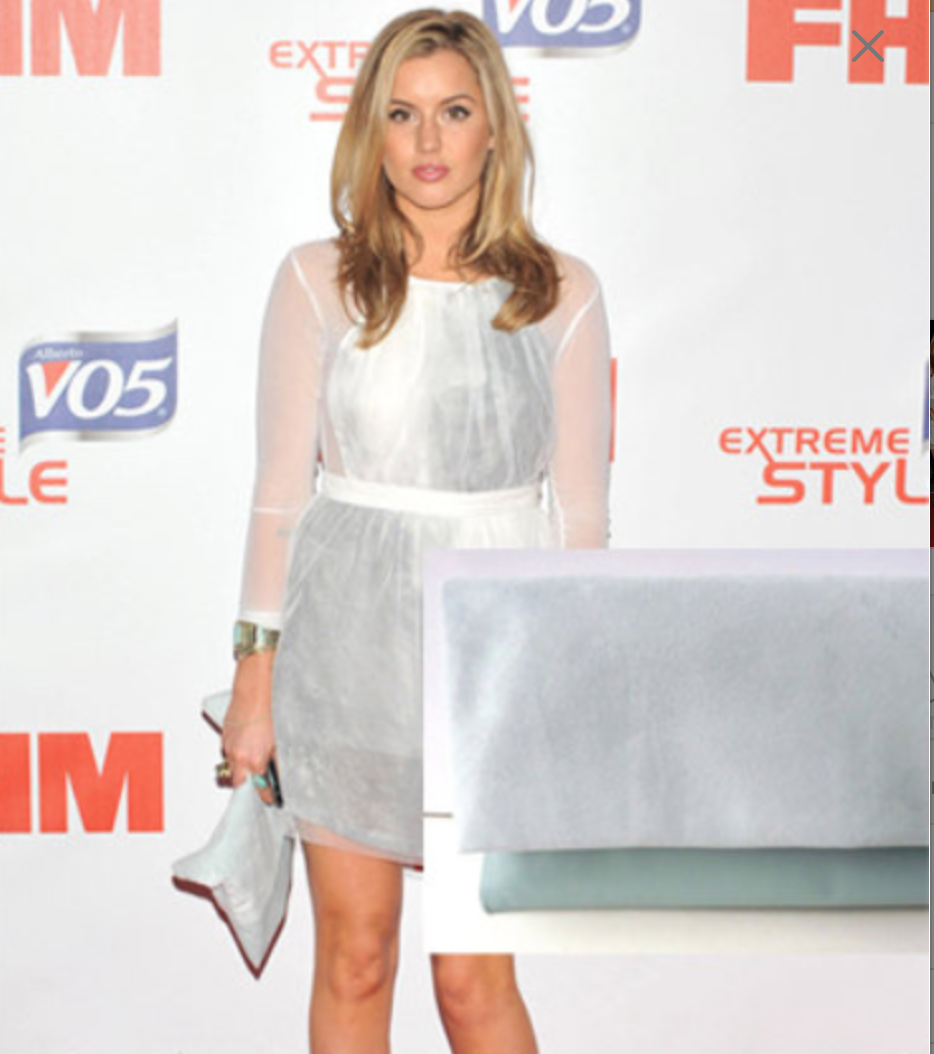
Photo courtesy of the Vogue diaries

Photo courtesy of the Vogue diaries
Things to remember when starting a range;
Before starting off all guns blazing, consider the following before making a start;
Who is your target customer?
What does your brand stand for?
What business model do you want to run?
What systems can you set up, to make production and/or selling smoother?
Do you have a plan for managing a high volume of sales?
How much time will you need to invest in this?
How much money are you willing to spend on persuing this?
In the end I was able to achieve success; I sold to customers and boutiques across the world, got great press features and was able to make a full time living from my brand and most importantly, I loved my job (most days. We can't win them all, right?!). I ultimately gave the brand up so that I could go backpacking around the world (a fashion label doesn't really allow for the care free lifestyle I was looking for at the time!), having achieved what I wanted to and feeling ready to move on. But it wasn't easy at the start and I wish I'd invested more time getting things right in the beginning, so I didn't have that little melt down I told you about. I wish I'd set off on the right foot, with systems in place and clear brand and customer in mind - if I had, I'd have probably been abele to quit my day job a lot faster too!
------------ ⭐️ Want support with your fashion brand? ⭐️ ------------
➡️ Start here (launched brands) >>>
-------------------------------------------------------------------------------

Why being sustainable is good for your fashion business
You'll already know that sustainability is good for the environment, but did you also know that it can be good for business?

In case you're new to the blog, I'll preface this post with the fact that I'm passionate about sustainability + have been for over 20 years. I've been delighted to see huge changes in consumer perception of what ethical + sustainable trade means + many have vowed to live differently over the last few years. But I also understand that some people simply don't care. I'm not one to preach, but I do like to put my 'business head on', so to speak + educate on this topic from a business perspective. This post doesn't aim to change your personal views, but shows how sustainability can help your business, whether you believe in it or not.
Why now?
This is certainly a post that's been in the pipeline for a while, but it feels particularly poignant right now. For one, it's my first post of 2018 + for many people that means reassessing their lives and/or businesses + there's positive changes that you can make quickly + easily, to set off on the right foot. Also, if you're in England, you'll have noticed some major new initiatives + laws coming into play, which aim to help the environment. Finally, I'm aware that there's going to be a huge amount of fashion startups launching this year + it's always great if you can start as you mean to go on, rather than having to frantically adjust later (more on this in a minute).
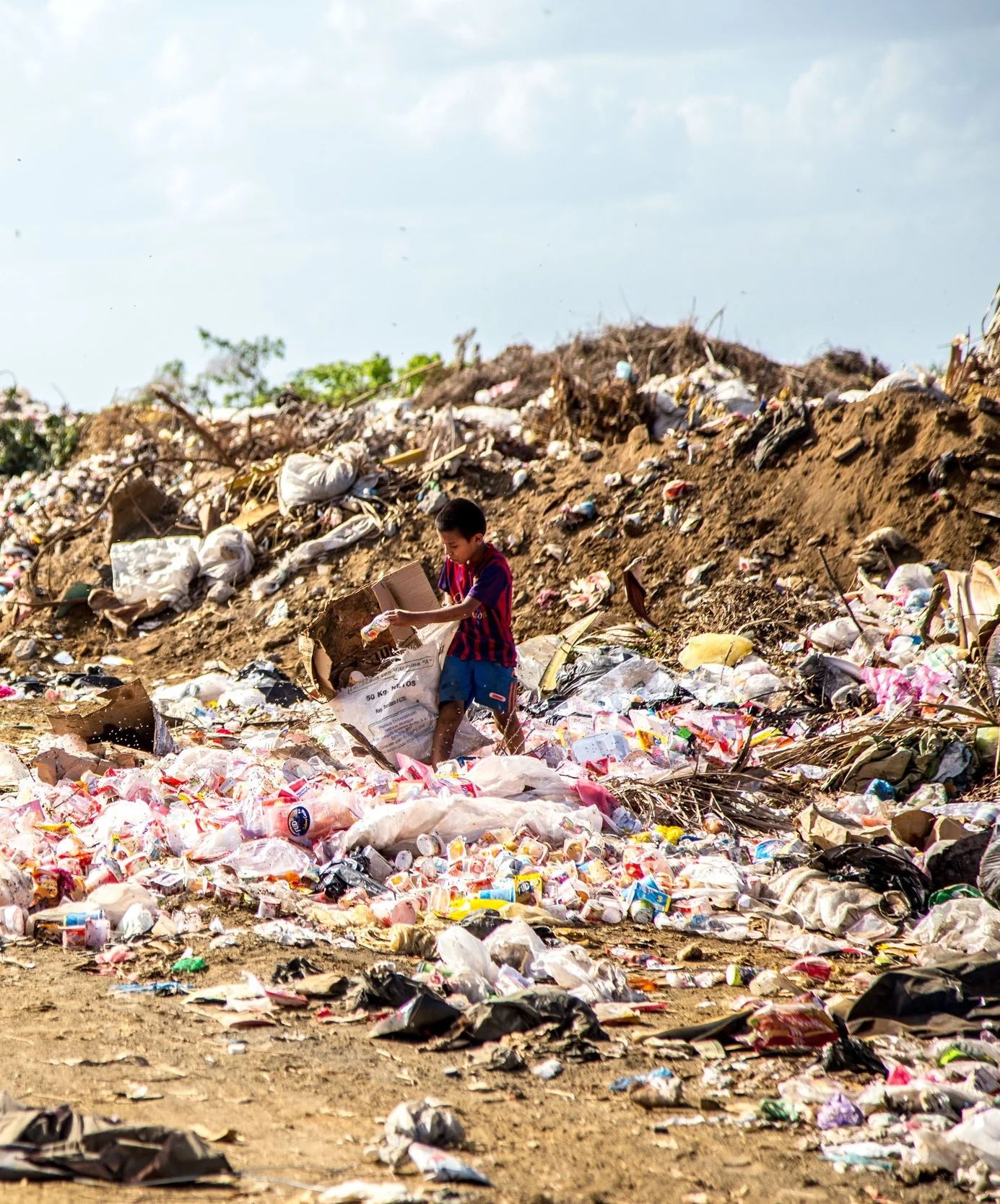

When I speak about benefits of having a sustainable business model, I'm sure the first thing that came to mind is 'marketing', however, I only partially believe that to be true. Yes, of course if you use sustainable fabrics for instance, you can use this in your advertising, but if you are someone who doesn't believe in sustainability, a word of caution. Sustainable shoppers are savvy + will likely see through any vague attempts at being sustainable if you haven't committed to it. Also, there's a growing number of consumers who are fed up with terms like 'eco-friendly' being used as marketing buzz words with little meaning. Steer clear of any attempts to market something as sustainable if it isn't - not only will you annoy consumers, but it's also illegal, meaning you could face hefty fines + with fines comes bad press. To avoid this, make sure that you can back up any claims (for instance, if you buy sustainable fabric this usually comes with documentation stating the details) + also explain what specifically is eco-friendly about your operation, the more information the better. If done correctly, advertising the sustainable aspect of your business can be very beneficial.
What other reasons are there for operating a sustainable business model?
Staying relevant
Not only are there an increasing number of shoppers searching for sustainable products, but a lot of retailers + media outlets are wanting to showcase their concern for the environment. With so much competition for buyers cash + the media's column inches, it pays to stay relevant to give your stockists an extra selling point + make your pitches interesting. The media are inundated with emails from designers trying to get some publicity. If you want to pitch to any form of media, including social media influencers, you need to have a story, something that their readers and/or followers will find interesting (more detail on this at the end of the post). Simply saying, 'look at my website, I have a great range of clothes' simply won't cut it these days. By staying relevant to not only fashion trends, but also consumer + world trends, you open up more opportunities to be featured + more ways for your range to be purcahsed.


Keep ahead of the market/law
If you're in the UK, you might have seen a lot in the press about environmental concerns, including the ban on microbeads + changes to regulations on the use of plastic bags. With many more changes imminent, it pays to be ahead when it comes to environmental policy. Let's take the cosmetics industry + the use of microbeads for an example. Some brands decided to stop using microbeads a long time ago, they cause a lot of damage to the environment + even to humans, particularly as increasing numbers of us are inadvertently eating plastic (because it's in the water, the fish eat it + we eat the fish). Those companies didn't have to worry about the new legislation, as they already banned microbeads themselves. But what about the other retailers, the ones who continued to use microbeads, despite the advice? They'll now be scrambling to find a new supply chain who will be able to produce their products at a similar price + quality, without the use of microbeads. Finding a supplier is hard at any time, but especially when there is time pressure to be legally compliant + when there's such a huge demand for a product, because everyone is making the same change as you. There's going to be real pressure to make the changes before the law comes into action, otherwise they'll have to discontinue the product + loose the sales to another company. Would you rather be the company who is sitting pretty, or the one who is scrambling about trying to find a solution?
Reduce costs
It's common sense that using less creates less waste + also that using less means less cost, so think about what can you cut out of your business. What is unnecessary? For instance, do you send orders out with several kinds of packaging, such as, tissue paper, a poly bag and an envelope? Or do you print things off needlessly? Perhaps you throw away old samples, rather than sell them in a seconds sale? Reducing the amount of 'things' you use in your business reduces the amount you're spending + the amount of waste, so have a think about what you can cut back on.
You can also look at making some small investments that are better in the long run. For example, if you keep buying cheap hangers that break, perhaps you should be investing in a better quality that you can keep for longer - you'll save money in the long run + reduce the amount of waste. Reusable things can also save money longer term, such as using a whiteboard for notes rather than paper boards, or taking your ipad to meetings rather than printing all of the sales figures off.
I find that a lot of businesses can sometimes see all business expenses as a necessity + don't have the same guilt about making rash purchases in the same way they would their own money. Remember that the more you spend the less you can pay yourself! Make sure you consider what you're spending + avoid needless purchases, or those that are only a short term solution.


More press opportunities
Let's face it, the inbox of anyone in the media must be overflowing. I get over 100 emails a day, so I dread to think what your average social media influence is getting. As I mentioned earlier, by giving your brand real values + a story, as well as 'just' making nice clothes, you're much more likely to get noticed. People are busy + rather than having to go to the effort of finding your website, clicking around + spending time to see if they *might* like it + *might* be able to write an article on it is often too much. Instead, by presenting your brand in a few lines of an email, in an exciting + engaging way, you increase your chances of getting featured, because you're saving the influencer/editor time. They know you have a great story, because you've already told them about it. A great brand doesn't have to be sustainable (at least, not yet), but, if you're able to show your innovation in creating a sustainable product, or how your business gives back, this is not only something interesting, but also something that people support + want to learn more about + get behind. Of course, this isn't a reason to be sustainable (you have to want to make it work), but if you are working in that way, it's certianly something that you can use to sharpen up your pitch.
Opens up new sales opportunities
There's an increasing number of both consumers + retail buyers who won't even consider a purchase unless it has sustainable and/or ethical origins. The mentality that 'why buy something that harms people and/or the environment, when you can buy something equally appealing, that doesn't' is growing quickly. Why make your brand be immediately discounted from search results and consumer considerations, because you chose to use a cotton vs an organic cotton, or a polyester, rather than a recycled polyester, to name just a couple?
I hope this post has opened your mind to the possibility of sustainability as a profitable business - it's no longer something that's just for hippies! Hopefully, it's got you thinking about what you can do to make your fashion label more ethical and/or sustainable. If you’re interested in launching a sustainable fashion brand, click here to register for my free masterclass on launching your brand.

I hate spam too - if you sign up to this email list, your details won't be sold or leased to anyone else. I will email you from time to time with helpful content and occasional offers, which you can unsubscribe from at any time.
Basics 101: Fit Sessions - feature on The Fashion Conversation
I've collaborated with 'The Fashion Conversation' on another article; Basics 101: Technical Drawings, to help aspiring designers make it in the fashion industry....

The third part in my series for The Fashion Conversation is live now! In case you missed it, I'm collaborating with the blog to create articles aimed at helping aspiring designers to make it in the fashion industry. The first post was entitled; 'Basics 101: Where To Start When Building A Fashion Brand' + I shared 5 steps that will take your business from daydream to reality. You can read the full post on The Fashion Conversation website, here. Next, we talked about technical drawings; you can learn all about them in this post.
The third part of the instalment covers what fit sessions are, why you need them + what to do. You can read the full post on The Fashion Conversation website, here. If you want to learn more about how to have a successful fit session, there's more in depth info + a free checklist, here.
I'd love to hear your thoughts on this, or any ideas you have for future blog posts. Feel free to leave a comment below, or send me a message here.
I hate spam too - if you sign up to this email list, your details won't be sold or leased to anyone else. I will email you from time to time with helpful content and occasional offers, which you can unsubscribe from at any time.
How to grow your fashion brand in 2018
If you want to grow your fashion brand in 2018, there's some steps you can take to start the new year off on the right foot....

Christmas and New Year is almost upon us! For a lot of people the New Year is a time to look back on the previous year + make plans for the new one. If you want to grow your fashion business next year, there's some things you need to review before you can make a plan to move forward. This post covers the steps you can take to prepare for 2018. If you've not got a business yet + want to start one next year, there's a similar post that's tailored to startups which you can read by clicking here.
Review
In order to move forward, you need to look back, see what's worked, what didn't (+ why) + what you could improve on. You should have some sort of tracking system, where you can compare information + review. Or, if you're like me, you'll have many systems in place that allow you to review data. If you don't, start something immediately! Data tracking doesn't have to be fancy, but many websites offer advanced analytics to help with online traffic + information about your customers. If your platform doesn't have this, Google Analytics is a free + powerful tool you could use. You should of course have information on sales + as well as tracking the product + value, you should add extra information such as customer location, referral, how much they've bought from you, etc. I do this in Excel. The other thing I do is keep track of any feedback I've received from customers, good or bad. This stuff is gold! Again, I use a simple Excel sheet to keep track of these. So, what should you look for in the data?
- Patterns in sales, for example, identify which styles, colours + sizes were most popular. Dig deeper here, don't take numbers at face value, what I mean is understand any factors that may have contributed to the results. For instance, if usually your bestselling size is a Large, but there's a particular style that sold best in size S, look into why this is. Could it be that the style wasn't fitted properly so that people had to go down a size, or perhaps that style isn't as flattering on a fuller figure.
- Requests for similar things. You do have to take customer feedback with a pinch of salt, as you can't always please everyone, but if you notice patterns in feedback that you receive from customers this is definittely something worth looking at in depth. For example, do you get requests for different lengths, sizes, colours? Or when customers return items, what reason do they give is there a problem with the fit, quality, colour?
- A really important part of any product based business + growing the profitability, is increasing your average transaction value (ATV) + average transaction units (ATU). ATV is how much each customer spends on average. The higher the better, of course. ATU is how many items a customer buys from you in one purchase. If typically a customer is only buying one thing from you, you need to look at ways to increase this, usually by offering add on products. Does your product offering compliment each other as an outfit? Do you offer extra items, for instance a necklace to go with your top, or scarf to go with your coat? If not, chances are you're missing out on sales.


Range planning
Next, when you've got useful data to use, you need to use this to improve your next range, even if you've already started sampling. Of course, there's not as much you can change if you've already started the sample stage without additional cost + most likely a delay, but you can still make changes to colours, the size range that you order + there's usually time to add accessories as these are a shorter lead time (less development + production time).
So how can you use data to improve the range?
- Make adjustments as nessarsay to your size break (how many units of each style to order). If you're not familiar on size breaks there's a full blog post on that here.
- Check the colour balance, are you giving customers the right amount of colour vs the bestselling options (usually black, white + grey)? Do you need to consider offering the same style in several options? Could you make an item reversible, so you can offer 2 colours in one garment?
- Check over the fit of your garments if you've had lots of returns of a particular style, or if you've received any negative feedback on this. It's really important to make sure the fit is consistent across the range, especially if you sell online.
- For the most popular styles, can you update them for the new collection? Perhaps if a Summer sleeveless top did well, you can add sleeves for the Winter range? Or could you offer the bestseller in a new season colour? If you don't want to do something so literal, think about what it is about the item customers liked. Was it the fabric, the details, fit, shape? How can you replicate this in a new item?
- Also look at the ratio of garments that you sold, for instance, how many tops vs bottoms, how many skirts vs trousers, etc. This will help you to grow your range + reduce the risk by increasing the number of items in areas that are selling well. Also consider how much people were spending + whether you're offering enough options at low, medium + high price points, whatever that may be for your brand.
The key here is using the data to make better decisions going forward. If you're growing your business from last year, this comes with increased risk + cost to produce more styles. By carefully going over data you can minimise the risk by creating a range that builds on your previous sucess + learns from things that didn't go so well.


House keeping
I get it, life gets busy + standards slide. I'm guilty of this too. Take some time before the new year to do some tidying on your website, social media presence + behind the scenes. It'll set you up in good stead for the next year. What can you do exactly;
- Audit your website from a customer perspective; make sure all of the links work, make sense + are relevant. Do you need to update any information, or perhaps add new features - for instance, have you considered things like currency conversion, a loyalty programme or refer a friend capabilities?
- Audit your website from a business point of view. Is your most exciting + relevant content/product in a prominent place? Are you trying to increase your ATV + ATU by encouraging add on sales? What about gaining follows to market to in the future, do you have social media links + an email list sign up form?
- As we spoke about, data is really important to have. So take the time to make sure that you're making systems that make it easy for you to log information. Set yourself up with Excel sheets if you don't have them already + reconsider your returns form. Checkboxes are a good way to get information on why someone returned something, as it's quick + easy to complete. Always leave space for additional comments too, you want to make it as easy as possible for people to give you feedback.
- If you find yourself replying to the same emails all the time, is there a way you can answer this within your product descriptions, or terms + conditions? If not, could you create draft emails so that you can copy + paste a lot of the information, only having to customise some parts depending on the customer?
- This is also a good time to look into your supply chain, is it really working for you, or have you just been using it because it's too much hassle to move? Or you don't know where to start looking for an alternative. Also consider the processes you're using. Do you spend hours trawling though emails looking for information, or is everything easily organised in Excel sheets? Are your samples shoved in a draw, or organised on a rail? What can you do to make life easier + faster?
I hope this post has given you some insight into ways of building your business next year! I've covered some advanced topics here + you may be wondering how to implement them in your business. If you're considering getting 1-1 help, I offer a service that allows you to have your current range + ideas for expansion looked into by an industry professional. The consulting session included then gives you opportunities to ask questions + learn more about what you can do to grow your business + steps you can take to achieve success. For more info on this you can click here, or alternatively you can message me with any questions here.
I hate spam too - if you sign up to this email list, your details won't be sold or leased to anyone else. I will email you from time to time with helpful content and occasional offers, which you can unsubscribe from at any time.
How to prepare to start a fashion business in 2018
New Year is a time when people reflect on the previous year + make plans for the new one. If you want to make 2018 the year you start your business, I have some tips for you...

Christmas and New Year is almost upon us! For a lot of people the New Year is a time to look back on the previous year + make plans for the new one. If you've been considering starting a fashion label + want to make 2018 your year, here's some tips so that you can hit the ground running in January. If you already have a business, this post will help those of you with an established brand to prepare your company for 2018.
Decisions
As with any new business, preparation is key + as the fashion industry is particularly difficult to succeed in, you'll want to make sure you've got a solid strategy from the start. Here's some tips for what to consider + decide upon before you start your business, so that you can plan accordingly;
You need to ask yourself what type of business you want to create, for instance, will you sell online direct to the public, or will you wholesale to boutiques? Are your products high end designer fashion, do they serve a specific need or purpose, or do you want to appeal to the masses?
There's lots of different ways to start a business + you need to pick one that will work for both your business aims + situation. For instance, if your fashion brand is a side business + you'll still be working at another job, you'll need to choose an approach that is suitable for someone with a limited amount of time. Therefore, your range is likely to be much smaller + take longer to produce than someone who is committing to the business full time.
When you've got an idea about what you want to achieve, you'll need to consider your target customer - one of the most important things when setting up a business. There's a lot to cover here, so I've written a full blog post to help you, which you can read by clicking here.


Planning
Next, when you know what you want to achieve with your business, you'll need to plan to make it happen - successful businesses don't happen by accident!
Time planning - Many entrepreneurs I work with are surprised to learn that it often takes around 6 months to get a product from initial idea through the manufacture process + ready for sale - even longer for more complicated products, or if you're working part time. Making sure you're aware of each of the steps is really important + asking the right questions to make sure you understand the time frame. I always add on a 'buffer' of 2-4 weeks to allow for any unforeseen circumstances - it's better for the stock to arrive too early rather than too late! If you're not sure where to start with this, my 'Quick Start Guide to Planning + Producing a Fashion Range' may be of interest, which you can learn more about by clicking here.
Budgeting - a lot of people will tell you that you have to have thousands in order to run a successful fashion business, but that's not always true. You can start with a much smaller budget, but you need to plan even more efficiently + put in more time + effort yourself. If you are wanting to work with a smaller budget, you might be interested to read about how I started my fashion business with just £150. It includes tips on how you can do the same + you can read the full post by clicking here.
Visits
As you're probably aware, travel is considerably cheaper if you book in advance. Therefore, it pays to organise any travel as early as you can to minimise the cost, which is especially important for businesses that are on a budget. So where might you want to travel to for your startup?
Trade shows are a really important part of running a business + as they are usually only every 6 months, you need to plan ahead to make sure that you don't miss an important event. There's a huge amount of different shows that you can attend; there's a variety of locations + some fairs are tailored to fabrics, some for manufacturing + others for wholesale buyers (where you might want to sell your collection). Start researching events as soon as you can to make sure that you go to the one that's most relevant to your business.
Seminars - many trade shows have great seminars, but there's also independent ones of varying scale. For instance, you might want to go to a presentation on trends, or if your interested in things like sustainability or textile technology, there's events on for that as well.
Networking events - throughout the year there's a lot of large + small netweorking events happening within the industry + it's always good to go to some if you can. Not only for the opportunity to make contacts, but also to keep your finger on the pulse + keep up to date with what's happening in the industry.
Tip - for any events that you go to, do research in advance. For trade shows, as they are usually huge it's a good idea to map out who you want to see prior to the visit. For semiars + networking events, try to learn about any speakers or important guests so that you don't embarass yourself by asking who they are. Also be prepared to make a good impression, so try to have some background knowledge on the topic being discussed.


Research
There's a lot of things that you'll need to source for your business + although at this stage you won't know what you need exactly, it is worth starting to do your research as early as possible. It can take a long time to source the perfect fabric, or the ideal manufacturing partner, so if you start making enquires early, you'll have some people to reach out to when you're ready with your designs. Examples of what you may need to source are;
Fabrics
Trims, such as buttons, zips, thread
Manufacturing partner
Packaging/label supplier
Courier company, for the sample process, receiving the main order + sending orders to customers
Hangers + signage if you're planning to have a store or pop up
Business cards/advertising fliers/posters/etc
If you're new to the industry I'd also take the opportunity to learn as much as you can about the process. Key things to learn about are fabrics, the sample process + clothing construction/manufacture.

Just start!
If you're really serious about having a fashion brand in 2018, the most important advice I can give you is 'just start'! So many people never start their label for fear of failure, or because they feel they lack direction. If you've started with the steps above you're already well on your way to starting your business + most importantly, you've taken the leap + not given in to procrastinating! If you're new to the industry, there's a lot to learn, but you won't do it by not making a start. There's lot of free help on the blog + you can always reach out to me in the comments, or via social media.
Have a wonderful New Year + I'm looking forward to seeing some exciting new fashion businesses popping up!

Basics 101: Technical Drawings - feature on The Fashion Conversation
I've collaborated with 'The Fashion Conversation' on another article; Basics 101: Technical Drawings, to help aspiring designers make it in the fashion industry....
I'm excited to announce that the second part in my series for The Fashion Conversation is live now! In case you missed it, I'm collaborating with the blog to create articles aimed at helping aspiring designers to make it in the fashion industry. The first post was entitled; 'Basics 101: Where To Start When Building A Fashion Brand' + I shared 5 steps that will take your business from daydream to reality. You can read the full post on The Fashion Conversation website, here.
The new post focuses on one of the most important steps; technical drawings + taking your idea + presenting it in a way that garment technicians (the people who bridge the gap between designers and factories, such as myself) can understand. Keen to learn more? You can read all of my tips by clicking here.
I'd love to hear your thoughts on this, or any ideas you have for future blog posts. Feel free to leave a comment below, or send me a message here.


I hate spam too - if you sign up to this email list, your details won't be sold or leased to anyone else. I will email you from time to time with helpful content and occasional offers, which you can unsubscribe from at any time.

If you’re wanting to start a fashion brand in 2024, make sure you read this first!