

What is Visual Branding? Interview with Bula Branding Co.
Branding expert Jess Jenkins takes us through what visual branding is exactly and why it’s important for your success as a fashion label…..

Most new brands I speak with either underestimate the importance of visual branding, or don’t fully understand what it is. A strong brand identity can make or break a fashion business, so I wanted to write a post on what visual branding is exactly. However, even better, Jess Jenkins (founder of Bula Branding Co and visual branding expert) has kindly agreed to be interviewed for the blog, to set the record straight on what branding is and why it’s important for your fashion business.

Jess Jenkins, founder of Bula Branding Co
You’re a visual branding expert. For those who aren’t familiar with visual branding, how would you explain what you do?
That is an excellent question and one that I get asked often, as I don't think it is really common knowledge, unless you are in the field, what exactly the difference between the creative roles might be.
I would look at a visual brand expert as a strategic marketing consultant and graphic designer all rolled up in one package. It is someone who takes a deep dive into understanding and developing your brand from its core, so that when developing your visuals, they are consistent in message, story, look and feeling. Their main goal is to create a cohesive story, voice and visual aspect that is told through every form of collateral, ie; websites, photoshoots, digital design, logos, sales/marketing, etc.
Visual branding and marketing go hand in hand. How would you summarise this for someone who is new to this concept?
Yes, absolutely - branding and marketing definitely go hand-in-hand, especially if you are wanting to achieve any sort of amount of sales :)
Every business has a unique offering - branding is taking that offering and making it into a story, a reason for “being” and to drive emotion. Then, marketing is the wheelhouse on how to get that story out to the viewers that are most likely to buy into it. Without one, there is not the other - and with out both of these - sales can be difficult.
When deciding on a brand identity, how important is it to have a clear target audience in mind?
To answer simply - extremely important. If you do not have a crystal clear audience, then you will waste money, and time, just throwing things at the wall and seeing what sticks. Without knowing your audience, you are not specifically directing your message to anyone? It really doesn’t make any sense.
So one issue I’ve seen is some emerging designers develop a new clothing line that is not necessarily specific to a very narrowed down target market, unique niche, or not specific to solving a problem - figuring out their perfect audience applies to this group even more as they will need to do more due diligence on narrowing down their target audience, ideally, before they start to market their brand.
When it comes to selling fashion products, why do you think storytelling is so important?
I love this question because this is one of the questions that I go over in my branding course that I teach at at Fabric (a fashion incubator in Phoenix, AZ). To break it down, Story = Emotion…and Emotion = Buy in. When you are a consumer and moved by something it makes you take action - then you feel like you’ve become a part of that story, or you’ve helped in some way. Same thing goes for clothes but, I think, on a deeper level. Clothes are personal, they are someones identity, someones strength and someones weakness, they hide and they flaunt and can even change moods. Clothing is an emotion which is WHY telling the story of how you want someone to “feel” when they wear your clothing is extremely important.
You’ve worked with a lot of emerging designers, what are the biggest misconceptions that you hear about branding?
The number one misconception is that their line is more important than creating the business that sells it. Now, this is not a dig on the designer - it’s more of simply a lack of well-rounded education throughout fashion curriculum. There are not a lot of solid options for learning the business side of how to create a sound, healthy business specifically for fashion designers. These beautiful creative souls are developing wearable art - and that is what they are amazing at…but it takes a business to sell them, and unfortunately, unless they take it upon themselves to seek out business courses, these kinds of options are not easily accessible in school. So in lack of just not knowing what they don’t know, the misconception is that the clothing is more important because that’s what they obviously are passionate about…the issue is, that without turning it into a business, your clothing will not sell.

And what are some of the biggest mistakes you see people making with their visual identity?
The biggest mistake I see, and not just in emerging fashion designers, but many small to medium-sized business owners, is the lack on being crystal clear on what their brand is and its story. This is a mistake that will end up costing them more time and marketing dollars in the long run, as there is no plan to actually base metrics off of or measure results. If the work and research are done on the front end, then the process becomes streamlined, and not to mention cost-effective, measurable and scalable. Plus, when you are prepared, it allows for that space to get really creative about how to reach your audience, which is needed in such a noisy industry.
I find that a lot of new fashion labels don’t feel that branding is a priority and they’re very focused on design and production. What would you say to them?
I would ask them three questions;
1) Do you want to sell your clothing?
2) Do you want to make a living doing what you love?
3) Is your last name Versace?
I would then communicate how branding is a priority because it will get your line in front of the perfect audience…leading to sales. It will incorporate the essence of your clothing through visuals that tell the story of why you even started it in the first place. Secondly, unless your last name is Versace and you are an heir - the industry is so noisy you have to stand out if you want to sell. You do this by telling your story and showing your perfect audience why you’re unique. Aside from that - what is the point of adding to the huge waste problem that the industry has, and creating the clothing - if you’re not going to actually sell it?
All hard questions, I know, but I like to be realistic.
How can new brands decide on what their identity might be?
New brands can start to decide what their identity might be by answering three questions.
1) Why am I doing it? (What is unique about your line)
2) Who am I doing it for? (Audience you are creating for)
3) How do I want to be perceived in the market? (ie;Target vs. Walmart)
These questions are simple but will give powerful insight/direction on where to start to uncover their brands story.
What’s the best place for brands to start working on developing their identity?
Designers should start within to start to develop their brand. They can do this by answering the top three questions above and getting clear about what their lines purpose is. This base knowledge is imperative to uncover as even if they were to hire a creative agency, they are the one person that the agency will be drilling with questions to try to figure out how to get to that core of what their brand is. So the first place to start is within themselves and getting decisive on the “why” of your brand and what makes it unique.


For anyone interested in working with you, what can you help them with? Is there anything they should know about their requirements, or is there something they should prepare ahead of meeting/speaking to you?
I consult emerging designers to help build their brands voice and visual identity, then, develop the digital, print, web and marketing/sales assets that tells their brands story, in a uniform way throughout all assets.
I typically have two types of business owners I work with - emerging designers and current lines needing a brand clean up to reposition them back in their market. Either way, after initially speaking to each other and making sure we are a good fit - I send out a simple questioner that asks prompting questions that get to the core values of their brand. I do this for every client that is booked, no matter how small or large the package, as it gives me the insight into how and where to help market you and what visuals would be the strongest, right on the front end.
There is nothing to really be prepared for when reaching out - however - I only can truly help people that are ready to help their business and do the work that needs to be done to do so. Coming in with that open mindset typically always has a wonderful outcome.
You’ve also developed a course which helps designers to go from start to finish and develop their own brand story. What does this entail?
Yes, I have! So excited about this! I am in the middle of creating a self-paced 6 module interactive branding course specifically based around helping emerging fashion designers uncover their brands voice, mission statement, value props, story, and perfect audience. The entire course is broken down to make these concepts simple, to the point, and a digestible learning curve…while also not breaking the bank. At the end of the course there is an invitation to work with me to start on the next level of perfecting your brand visuals to seam your marketing and branding together. At the very least, having the information that is discovered within this program will be invaluable to the designer.
The course also offers a wonderful monthly newsletter that has a 1-on-1 industry professional interviews giving keen insights into the industry from all professional levels, such as; incubator owners, successful emerging designers, photographers, video production, hair/make up, PR, retail GM’s, and so on. To me, this helps gain even more insight to the actual industry and the things to expect and get amazing tips from seasoned pros.
What are you working on at the moment and what do you hope to achieve in 2019?
I am always working on a handful of things, but the main thing I am really focusing on for the rest of this year is helping to get a general brand education out there for emerging designers. I feel like there's a huge lack within fashion curriculum that truly prepares the designers interested in creating a line to run as a business and actually making it something that they can make a living off of. I also feel like if we are not educating on the front end to have designers truly understand what it takes, we will continue to add to the horrible waste issue that the industry currently has. It is my hope to really start getting the word out and helping designers that want to create a successful business out of their line.
Thanks so much to Jess for this interview, I really appreciate it and I hope it’s been useful for anyone starting a fashion range. If you want to learn more about Jess and Bula Branding, you can view the website here, follow along on Instagram here, or get in touch via jess@bulabrandingco.com.
I hate spam too - if you sign up to this email list, your details won't be sold or leased to anyone else. I will email you from time to time with helpful content and occasional offers, which you can unsubscribe from at any time.




Fashion Marketing; Why You Should Build a Following Before You Launch a Brand
It’s super important to promote your collection before it’s ready to sell! In this post, I share the reasons why…
When starting a fashion brand, it’s natural to think about the products; what you will design and how you will manufacture them. But a lot of new fashion labels make the mistake of only thinking of the customer as an afterthought. The customer should be the first thing that you decide on and you need to be connecting with them right from the start. Therefore, it’s important to promote your brand, before you have your product.
There’s a few reasons for this. To give an example, lets think about movies. Movie studios don’t just invest millions of dollars in a new movie on a whim. They do some research and they see what themes are popular, or perhaps which Actors or Actresses have a big following. Then, they make a script and get feedback on it. Later, they even make a mock up movie and get people to watch it and give a critique (have you ever been to one of those? I have. It’s like watching a massive production before any special effects or airbrushing – you get to see what the Actors really look like!). After all of this, when they’re confident they’re onto a winner, the cut it into an actual movie.
So, how does this relate to your fashion line? Let’s apply the same principles as the movie industry; rather than starting off with a few designs and worrying about how we’ll manufacture them (and even after we’ve manufactured, we’ll then be worrying about who is going to buy them), we start by identifying with our target audience. We can learn about them and understand their needs and can design a range to solve their problems, or one that they just have to say yes to. We can even ask them if they like our designs, before we’ve spent any money on them. If they love them, great! If not, we can make alterations until they do – all without having worked with a factory, or paying them any money.
Starting with our target audience allows us to minimise the cost and risk of production and ultimately, the cost of starting a fashion label. Pretty great, right?


We can take this principle a step further too. Again, let’s think about the movies. Do they start advertising a movie when it’s released? No, they prepare months and months in advance. The new Frozen 2 trailer was out months ago and the actual movie is still 5 months away from being released. Movies are promoted waaaay in advance. And so should your fashion collection.
Marketing in advance has a few benefits. For one, it takes time for marketing strategies to get traction. You can’t set up an Instagram account today and expect to get sales from it tomorrow. You need time to build a following. Same goes for other types of marketing too - you wouldn’t pitch to a magazine editor to be featured this month, they usually work months in advance, so thinking ahead is really important. Typically people need to see your brand multiple times before they go from the initial time they saw you and found out about you, to become a customer. So unfortunately, marketing isn't as simple as just posting a few pretty pictures to Instagram. Customers need to keep seeing your brand, which means that you need to be thinking about your marketing activity way ahead of your launch.
As a new brand, it also takes time to build trust with your customers. If someone has never heard of you, they need some time to decide if they trust you with their money, and their credit card details. For all they know, you could be a scam artist. Building a long term marketing strategy helps you to build what we call the ‘know, like and trust factor’, without this, customer’s won’t feel confident in purchasing from you and, chances are, they won’t.


Another reason to build an audience for your fashion brand as soon as you can is so that you can create meaningful connections. As a small brand especially, connections are super important. If you share your journey with your audience; your design ideas, your route to manufacture and behind the scenes of your business, it’ll help potential clients to form a connection with you. Not only does posting this kind of content mean that you can get in front of an audience regularly, without being salesy all the time, but you can also show the human side to your business and you can get potential customers on side and cheering you on. It really comes down to this; when you launch a fashion collection, would you rather tell strangers on Instagram? Or people you’ve engaged with and who are waiting for you to launch? I know which one I’d choose!
I hope you’ve found these tips helpful! If you’d like to learn more about growing your business, I’d like to invite you to checkout my latest course ‘How To Attract Loyal Customers To Your Fashion Brand’. It teaches you how to get an audience before you launch, plus grow your business, find new customers and keep old ones coming back for more. You can view all of the details and register by clicking here. Alternatively, if you have any questions on the course, I’d be happy to answer those for you - you can click here to get in touch, or email contact@29andSeptember.com


I hate spam too - if you sign up to this email list, your details won't be sold or leased to anyone else. I will email you from time to time with helpful content and occasional offers, which you can unsubscribe from at any time.

How to Start an Activewear Line - Interview with Lead the Pack
Andrew from Activewear brand Alphapparel has kindly offered to be interviewed and share his experience of starting a brand….
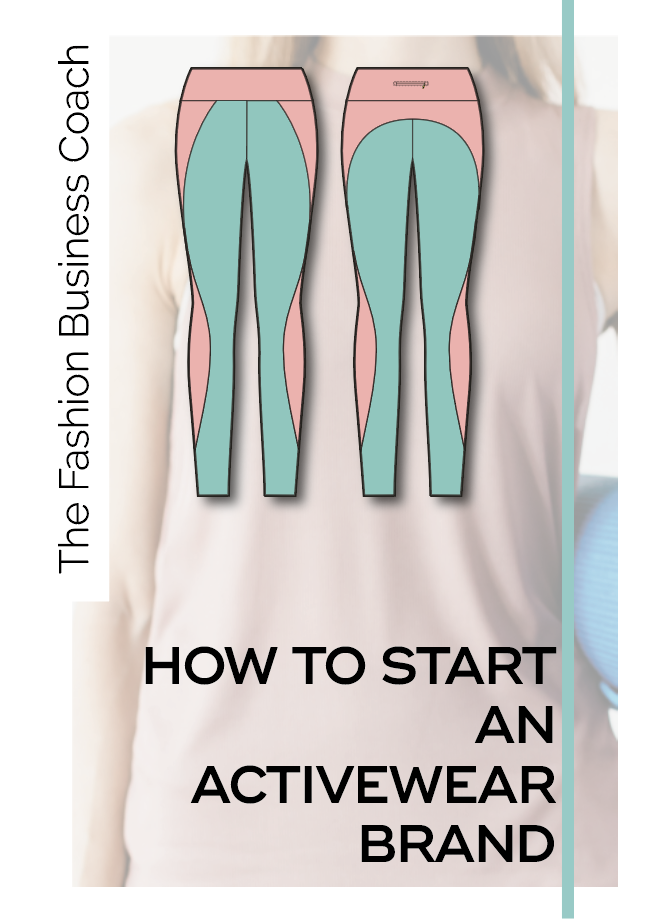
I know a lot of you wonder what it’s really like to start your own fashion brand from scratch. The experience can be a bit different for everyone and I’m happy to be able to share an interview with Andrew from Lead the Pack, which is an activewear brand that launched about 6 months ago. Andrew has kindly offered to be interviewed for the blog and share his experience with you. If you want to learn more about the brand, or shop the collection, you can follow them here.
Can you introduce yourself, your position and your brand?
My name is Andrew Clark, and I’m the founder of Lead the Pack a startup activewear brand. It’s been a long, very long time in the making, but finally the brand is live and doing well! Was it an easy process? No, not at all, but it was probably made harder through the endless number of mistakes I made along the way…Has it been worth it? Read on to find out.
What do you sell and who are your customers? Feel free to include your brand values here too.
We focus on kitting out and connecting fitness enthusiasts, giving them the opportunity and means to grow their own brand in the fitness industry.
We sell comfortable performance activewear that’s suited for both the gym and daily use. We’ve tried to keep our designs as unique as possible, whilst still keeping to the styles that people are known to love. Vicki was great at taking rough concepts and ideas to an actual design.
Whether this is through our up and coming Ambassador program or just with a simple connection over Facebook or Instagram, we strive to help our customers grow.


How do you differentiate yourself from other activewear brands?
With the surge of social media marketing and the new generation of fitness enthusiasts flooding the scene, the concept that these individuals can be brought together to help not only grow the brand, but also learn more about themselves and aid them in expanding their brand is not only exciting, but very realistic.
Lead the Pack hopes to connect these passionate individuals by giving them the means to expand their own fitness brand, as well as earning a side income, with the aspiration of it becoming their main income.
Our base range released in December is a stepping stone for what is to come. Be Ready.
What was your background prior to launching in the fashion industry?
I’ve always loved the fitness industry. Started the gym about 7 years ago. Became an ambassador for another brand about 3 years ago, and thought there were a few things that could be improved, so thought that I could be the one to do it.
I actually graduated with a Masters in engineering, but the innovate, fast pace of the fitness industry drew me to thinking of changing career path.
I have nothing against the normal 9-5 routine, but over the last year and a half (whilst starting this clothing brand) I’ve worked anywhere from 10-14 hour days to 3 hours a day, regardless of weekdays or weekends. There’s no way about it, it’s totally different from a normal job, but unique in the sense that you feel more of a commitment to your own project, or it is possibly the fact that it’s just refreshing feel positive about a project, and want to wake up in the morning and speak to positive people about their fitness.
What drove you to set up your brand?
Basically I just wanted a piece of the fitness industry lifestyle. The whole 9-5 lifestyle sitting at a desk all day is doable, but I’m nowhere close to being passionate about it to the extent where I want to rush into work every morning.


How long did the launch take from concept to product?
A long time. A very long time. Did I initially underestimate how long it would take at the beginning? You bet I did. Is it worth it? Still to be decided, but now I’m finally selling the clothing, it’s definitely going in the right direction.
If I’m honest, it could have taken a lot less time, but you learn from your mistakes, and if I was to do it a second time there would be an endless list of things I would do differently.
The big challenge is that you think surely after getting the products a lot of your work is done? WRONG, Double, Triple the amount of work done up to this point to making your brand sellable.
It’s not a case of Facebook and Instagram marketing and reaching £1000 of sales every weekend, it’s a case of getting your product into the eye line and minds of people who may be interested in it, but it is doable.
What have been your main challenges with regard to being new to the fashion industry?
Overcomplicating designs and wanting to rush head first in and set up a whole range for my first launch. Both are my downfalls. I mean to a certain extent you need to be different from the rest, but there’s a reason certain companies do certain designs... because they sell and are probably cheaper to manufacture than the rest.
Hindsight is a fabulous thing, and it’s something I am very familiar with. The whole “learn from your mistakes” obviously fits well with this, but I still somehow seem to love making them.
Andrew, you and I have worked together for a while. Was there a part of the process you found most beneficial, if so, why?
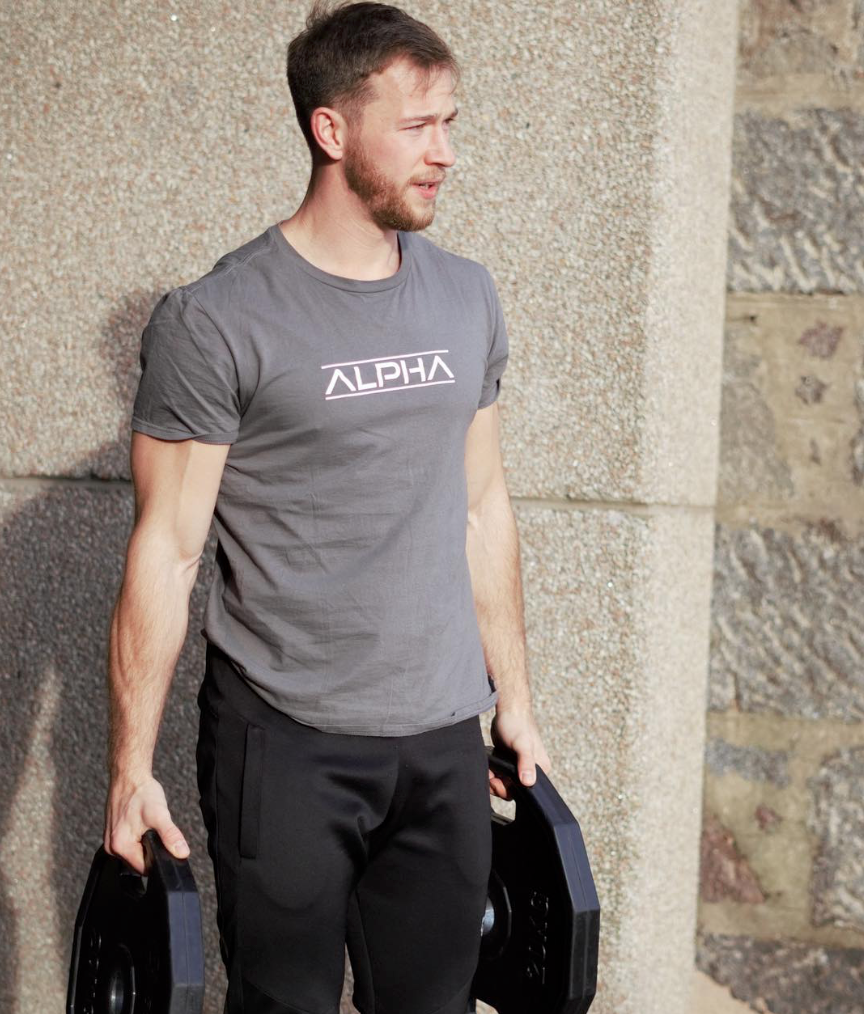
Designing tech packs and explaining the fitness industry to me. Unique, well-fitting designs. The pieces Vicki designed are fan favourites of our brand.

What’s the biggest piece of advice you’d give other startups wanting to launch a brand?
Take a month to plan everything out, research research research. Pay a designer like Vicki to help find a suitable manufacturer and source suitable fabric and fits you like. The more preparation you do, you’ll honestly saves months and months when it comes to the later stages.
What are your plans for the going forward?
Restock our collection.
Look at doing variations of the same pieces.
Bring out a much wider range of products.
Design more products than just clothing, that cater to all of the fitness industry’s needs.
Become a millionaire, retire at the age of 23 and live in a mansion by the beach…Too much? Well it is a plan of mine... whether I make it a reality or not is dependent on the clothing line.
Thanks so much to Andrew for arranging this interview, I really appreciate it and I hope it’s been useful for anyone starting a fashion range. Don’t forget, you can follow along on Instagram here.
Has this post inspired you to start your own activewear line? If so, I’d love to hear from you! Email contact@thefashionbusinesscoach.com or use the contact form by clicking here to learn more about how I can help you launch your line!
If you want to learn more about getting your designs into production, you can register for my free masterclass by clicking here.

I hate spam too - if you sign up to this email list, your details won't be sold or leased to anyone else. I will email you from time to time with helpful content and occasional offers, which you can unsubscribe from at any time.
Marketing for Fashion Brands; 5 Mistakes to Avoid
This post shares the 5 mistakes I regularly see brands making and how you can do things differently in order to attract more customers to your brand…
Want to get more customers to your fashion brand and make more sales online? Then you’ll need to stop making these 5 mistakes! I work with a lot of customers on their fashion marketing and I see the same mistakes over and over; these things are the first changes I ask my Clients to make. I thought I’d share them here on the blog so that you can avoid making the same mistakes in your business.
Want to learn even more about fashion marketing? Why not grab The Fashion Sales Kit for training and swipe files to speed up and level up your marketing?
Mistake #1
The first mistake that I see people making is that they try to sell to everyone. And the problem with this is it does become a case of trying and failing. If you're trying to sell to everyone, you'll end up selling to no one.
I do sort of get the logic here, people assume that most people will want to buy clothes at some point. So people think that by promoting their products with everyone in mind, chances are someone somewhere is going to buy eventually. Actually though, you end up having the opposite effect because if you think about it, if you're promoting loads of different things people aren't going to want to follow you because they just don't know what to expect from you. If you're promoting something a visitor loves one day and then the next day it's something that they hate, the inconsistency will become annoying for them and in the end they just won't bother following along anymore.
Instead, it's much better to be super specific. So, rather than trying to sell to everyone, try and really hone in on who your ideal customer is and promote your brand by including things that are really important to them specifically. Sure, this is going to put people off who aren't a good fit for your brand, but don't see that as a bad thing. If they're not a good fit for your brand, they're not going to buy from you anyway. By being really specific, you can build a connection with potential customers, build a brand that they're going to love and not only will that help you to attract them as a customer in the first place, it'll help them to keep loyal and keep coming back to you as well.


Mistake #2
The second thing that I see people doing is relying too much on social media. And I have a quote here from a recent Forbes report, which talks about how Instagram convert only 3.1% of people into buyers. That means the other almost 97% of people aren't going to buy from you if they see you on Instagram. And that's just one particular quote from Forbes and it's something that I hear all the time and not just for Instagram. In general with social media, the conversion rate isn't that great on its own. Typically people need to see your brand multiple times before they go from the initial time they saw you and found out about you, to become a customer.
So unfortunately, marketing isn't as simple as just posting a few pretty pictures to Instagram. Customers need to keep seeing your brand, which means that you need to have an entire strategy in place to increase the chances of a potential customer actually transitioning into a buyer. So instead, rather than just focusing all of our attention on social media, we want to create something that I personally call a sales journey. You've probably heard of something similar, maybe a sales funnel, a marketing funnel.
There's different terminology for it, but I like to use the word sales journey and that's a strategy that I use and use with my customers too. Basically, it's a process to make sure that we have these different opportunities for the customer can come into contact with our brand, which helps use as brands create trust. Potential customers can then start to engage with our brand more. Perhaps they started off seeing us on social media and then went to our blog, signed up for our email list and then eventually went on to became a loyal customer. And that's so much better than just having someone who double taps on Instagram, but leaves it at that. You really need to have a whole strategy in place rather than just posting to social media.

Mistake #3
The third mistake that I want to talk to you about is not building an email list. Email marketing is huge right now and although I'll admit in recent years, it's become a little more complicated, it’s still a great way of reaching your audience. If you're one of those people who hasn't done this, I strongly suggest that you get onto it, because email marketing is one of the few promotional methods where you have control. It’s not like Facebook or Google or anything else where there's an algorithm that you have to contend with and only a certain number of people are going to what you post. You control whether or not people receive an email from you, for the most part. You are the one who has the ability to get them to open it by using catchy subject headings. And most people check their email at least multiple times a week, sometimes multiple times a day, so they're going to have multiple opportunities to see your message. If they're on, say Facebook, they won’t see all of your posts due to the algorithm, whereas with email, there's a much higher chance that they're going to see that message from you.
So instead of not having an email list, you need to focus on growing your email list today! Even if you don't have a business yet, you need to start working on this because you don't want to launch your business and then not have anyone to sell it to. An email list is really one of the first things that you need to do for your business. So, if you haven't started already, make this the next thing on your to do list! Email marketing has a much better conversion rates than a lot of other marketing methods. And for the most part, as we said, you're in a lot more control than you are with another platform.

Mistake #4
The fourth mistake is that people talk about themselves too much. It's all me, me, me, and it really should be about the customer rather than your self promotion. People don't want to hear about you all the time. They want to know what's in it for them, so rather than constantly promoting, instead you want to help your customers. Try to change your mindset and think of marketing in a way of ‘how can I help my customer today’ rather than ‘what can I sell them today’? That mindset shift and the way that you come across your customers can have a huge impact on your performance.
The majority of your content should be helpful to the customer rather than self promoting all the time. Now that's not to say that you can't include your products, obviously you want to still be referencing your products and talking about them, but don't do it in such an obvious way. People will get fed up of receiving promotional messages and will eventually unfollow, or zone out. Whereas if you give your audience something that genuinely solves a problem for them, then they're going to want to keep interacting with your brand, keep going to your website, keep reading your blog, whatever it might be. I know that it's a little bit of a hard concept sometimes for people to understand. So if we take an activewear brand as an example; one of my clients has an activewear brand and on his blog he writes about different workouts that you can do, different ways of warming up, smoothie recipes to improve your workout and anything he feels his audience will find useful. So, people go to him because they want to know what the new smoothie for that weekend, or want know what the latest technique is for their warmup. So because this guy is helping his customers, it means that they keep going back because they got helpful information from him. But of course, any photography that's in those posts, any products that are referenced, are all his products. So even though he's still marketing and still promoting, it's not an obvious ‘buy this now’ kind of way. It's a lot more subtle and it means that his content gets a lot more engagement from customers because they're getting something useful out of it.
Mistake #5
The final mistake to share with you today is I see a lot of people who aren't automating any of their marketing. Without systems in place to automate a lot of this process, it can really become a full time job. And, I know a lot of you guys are small or your startup and budgets are tight. You don't have the budget to hire a full time marketing employee to work for you. So, it's super important to get processes set up so that you're not spending all of your time marketing. Instead of doing everything manually, you want to make sure that you're using scheduling tools, automation software, and at the very least bulking tasks together, like photography for instance, so that you can save a lot of time and make sure that your actually able to work on your product, your customer service and other things, rather than marketing constantly. It will also really help you to be more consistent with your marketing, because you can schedule, for example, Instagram posts to go live every day, so you don't have to be sat there waiting to post, or remember to do it.
This is the exact strategy I use; I have content that I upload in bulk and then it just goes out on schedule. I don't have to be thinking about marketing every day, which especially good because you do want your own time at the weekends, rather than thinking about marketing 24/7.
I hope these tips have been helpful and given you a lot to think about! If you want to learn more about marketing, you can


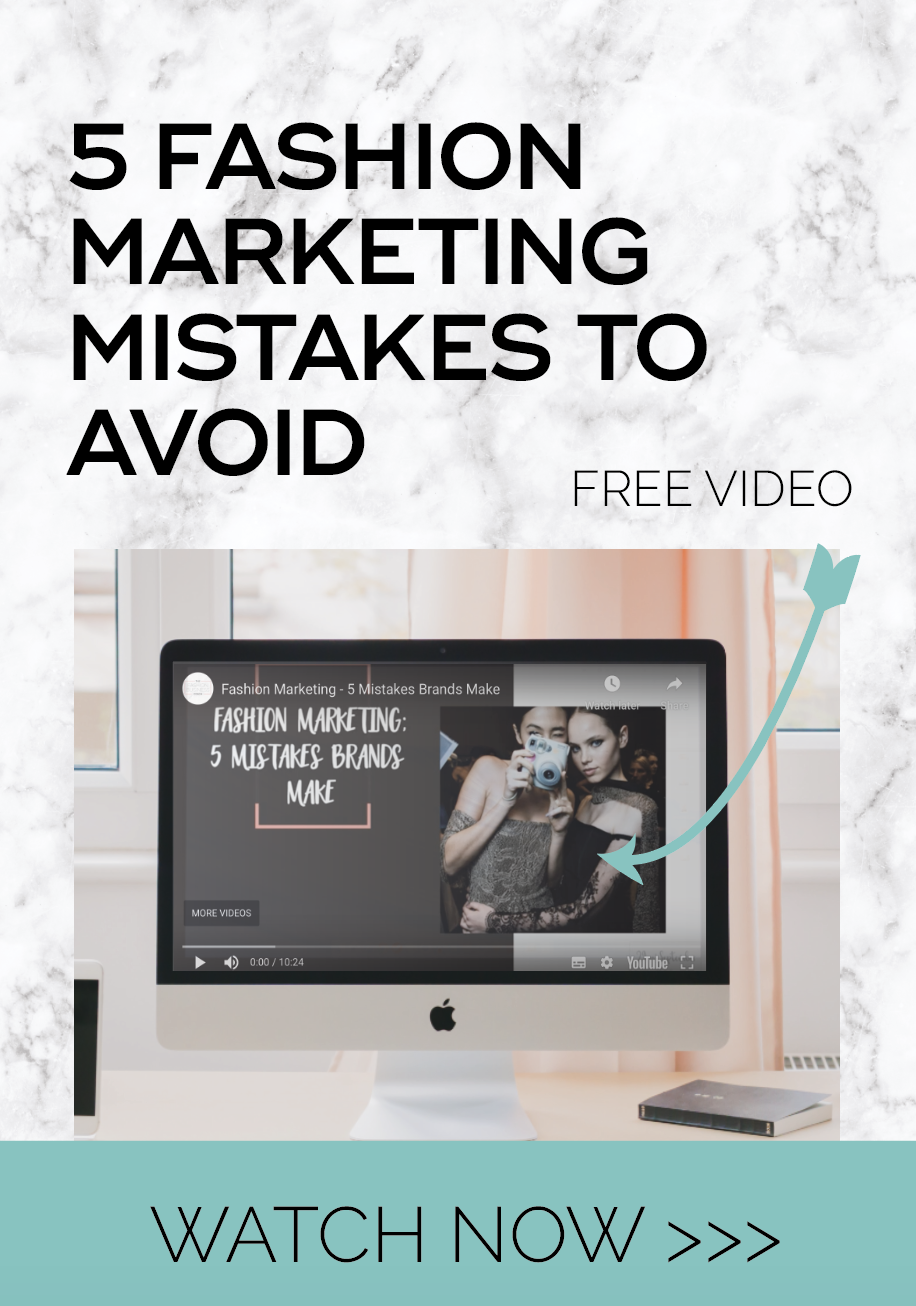
Fashion Marketing; 5 Mistakes Brands Make Video
This video walks you through 5 marketing mistakes that I see fashion brands making, so you’ll be able to avoid them…

Click the image above to start the video!
As requested by you, I’ve started producing short video content! This is the first episode in which I share some of the common marketing mistakes I see fashion brands making. I’ll also share my tips for what you can do instead, so that you can grow your fashion brand, attract new customers and sell more of your clothing.
As I’m sure you know, marketing is a big topic, but super important too! Over the coming weeks I’ll be developing more video to help you grow your fashion business. As always, you’re welcome to ask me questions - most of my content is developed after I’ve received a request!
In the video I mention some other links that you might find helpful;
Attract Loyal Customers Course
This short course helps you to get traffic to your brand and turn potential buyers into paying customers.
Related content;
Is Instagram Hurting Your Fashion Business?
The Fashion Sales Kit - Digital marketing tools for fashion brands.

I hate spam too - if you sign up to this email list, your details won't be sold or leased to anyone else. I will email you from time to time with helpful content and occasional offers, which you can unsubscribe from at any time.



How To Attract Loyal Customers To Your Fashion Brand - Fashion Marketing Tips
In this post I talk about ways to attract customers to your fashion business and how to keep them coming back….
In this post, I want to share my favourite tips for fashion marketing and attracting customers to your brand. The good news is, these tips are perfect for any brand - even if you have a tiny marketing budget because many of these marketing strategies can be implemented for free.
If you’ve been following me for a while, you’ll know that I love to get feedback and suggestions from my audience, so that I can provide you with even more useful and relevant content. Recently I was asking subscribers what they struggle with the most and many said that getting customers through the (virtual) door was something they found hard. And not only that, converting browsers into buyers, on the few occasions that they do get website traffic.
Make it about them
It’s super important to think about your customer when you do anything for your brand, but especially marketing. Sales is so much about psychology, emotion and making a connection with someone, so it’s important to know who your customer is (or who your customer will be, if you’re a new brand). If you’re not sure what information you need about your audience, there’s a blog post here which can help.
I see so many brands talking about themselves, their collection, their promotions, but you really need to change the conversation and make it about what’s in it for the customer. How will your product help them or make their day better? Talk about the benefits of your products and how they will effect the customer, rather than just listing generic features of them (tip - this also works for product pages on your website, too).
Also, make sure that you’re not just talking about yourself. Think about your customer’s other interests too and create content (like blog posts, videos, social media posts, even podcasts) on a few key topics and try to problem solve for your customer - people are a lot more likely to click on something which offers a solution to something they’ve been struggling with. For instance, if you have a fitness brand, you could share tips for smoothies that give you energy, your favourite workout routine or ways to minimise feeling sore the next day - whatever you think your customer would find helpful.


Think past social media marketing
There’s a lot of other options out there, both free and paid, so it’s important to consider if social media is the best option for you. I’d encourage brands to choose 1-2 marketing methods to start with and do them really well, rather than doing too many things and not achieving much in reality. Some other effective marketing ideas are;
Improving your SEO, so you appear in search results
Pinterest; although technically a social media platform, this works more like a search engine and your posts last a lot longer
Email
Referrals - encouraging previous customers to share their experiences with others
Podcasting
Collaborating with other brands
Affiliate marketing
Influencer marketing
Guest posting on other websites and writing articles for magazines
Pitching to the press and being featured (one of my favourite marketing methods - it’s free and gives your brand credibility)
Holding events relevant to your audience’s interests
Online ads
To name a few. As you can see, there’s a lot of options out there and chances are, you chose social media marketing because it’s familiar, free and easy to set up. If you are stuck for what to post and are spending a lot of time on social media with minimal results, you might want to check out The Fashion Sales Kit here, which has 90 days and beyond of content ideas for your brand.


Think about the whole ‘journey’
It’s really important to think about all of the steps between a customer going from never having heard of you, to making a purchase. If you read my recent article on Instagram, you’ll know that you need to do more than just tag some pretty pictures on social media in order to make the sale! Data tells us that customers need to see our brand multiple times before making a purchase, but as most of your followers won’t see your posts online due to social media algorithms, you need to come up with a strategy for not only getting the customers interest in the first place, but keeping their attention, giving them a functional and engaging web experience, getting them to keep coming back and helping them to trust you. Eventually, when a customer is invested in you and trusts you, you can make the sale. I have specific steps I follow for this process, which I call the A.C.E.S method.
It sounds like a lot of work, right? Sales do take work, but the great thing about this method is that you build a community of ‘raving fans’ (a concept created by Ken Blanchard which refers to a customer who loves a brand so much, they can’t stop telling people out it). Raving fans not only become your best customers who keep coming back to buy more product, but they also spread the word about you and your brand. Plus, you can actually automate a lot of the process so that you spend less time on marketing and more time working on things you enjoy. It’s always an amazing feeling to wake up to sales and I know that with the ACES method in place, this is possible for any fashion brand - it’s true there’s a lot of competition out there, but with the right marketing proposition, any fashion brand has the opportunity to make it.
I hope you’ve found these tips helpful! If you’d like to learn more about growing your business and marketing, I’d like to invite you to checkout my Fashion Sales Kit. I’m super excited about this kit, which includes content ideas, swipe files and links to high quality photography that you can use for free. Basically, the kit is designed so that you can spend less than 10mins a day on your social media marketing. Sound good? You can view all of the details and register by clicking here. Alternatively, if you have any questions on the course, I’d be happy to answer those for you - you can click here to get in touch, or email contact@thefashionbusinesscoach.com

Is Instagram Hurting Your Fashion Business?
Lots of brands decide to use Instagram for their business, but often people approach this in the wrong way, resulting in a lack of sales….

If, like most brands, you want to grow your customer base and get more sales for your business, you might be using Instagram. So, you might be pretty surprised to see the title of this blog post, particularly as there’s so many posts out there which explain about how Instagram can be good for business. It’s true that Instagram can be a good marketing tool, I even teach some Insta strategy myself. So, why am I saying it can hurt your business?
Bottom line? Instagram is a tool. Not a marketing strategy.
Instagram and other social media platforms are a small piece of the puzzle. You need more than just people clicking ‘like’ and ‘follow’ in order to have a successful business. I say that Insta can hurt businesses because lots of people focus so much of their time on posting and interacting on social media, they seem to lose sight of why they’re even doing it. They also look at the wrong metrics. I get people asking me how they can grow their following, when they should really be concerned about the end result – making the sale. Having a large social media following isn’t a measure of business success. A follower doesn’t put money in the bank, so why spend so much time trying to get followers?
So many of my 1-on-1 clients come to me saying their marketing strategy is Instagram and I explain to them that marketing should only be part of their strategy. In this post, I’ll share my feedback and help you to understand how you can attract customers to your brand...


What is a Marketing Strategy?
The answer to this is pretty complex and will vary greatly between brands, but in a nutshell, it’s a process which takes a potential customer from having no idea who you are, to making a purchase. Typically customers need to have several ‘touch points’ (or, interactions) with your brand, before they have enough trust in you to make a purchase. Don’t forget too that many people who find you might not need something right now, so it’s your responsibility to keep them engaged long enough to remember who you are when they do need something. Generally, the more expensive the product, the more of these ‘touch points’ you’ll need.
For a fashion brand, social media can be one part of the puzzle. Someone might discover your brand on Instagram, but you need to do more. It’s of no help to you if they just ‘like’ the photo and leave. You need them to interact with you, visit your website, join the mailing list, contact you, read your blog, etc. Potential customers need to become invested in you and eventually, they’ll trust you enough to make a purchase. Keep in mind that Instagram, along with other platforms, has a complex algorithm, so only a smaller percentage of your followers will actually see your posts. You can’t expect that everyone will see what you’re posting and it’s important to have a more direct way of communication, like email for example.
Distractions
Instagram is distracting, not just for you, but for customers too. Think about how you use Instagram, or your platform of choice. Can you honestly say that you’ve visited the websites of all the brands you’ve ‘liked’ photos from? Do you even leave your feed to check out more photos from the brand? Have a you ever made a purchase as a direct result of seeing someone on Instagram? Most likely not. Reason being is that as users, we get shiny object syndrome; we see so many pictures we like and just keep scrolling. This is why Instagram has become one of the lowest converters. Meaning that people will be less likely to buy from you after seeing you on Instagram, vs other methods of marketing.
Social media can often be described as ‘busy work’, meaning that you can spend so much time on it and you can tell yourself that you’re ‘marketing’, but at the end of the day, what have you actually achieved? If you spend all your time commenting and posting online, you’ll be missing out on things that have a much bigger impact on your sales, like having a website that’s designed to covert (meaning it creates the maximum amount of sales from the visitors you have). Even if you have millions of followers, if they click on your website and it’s not appealing to them, they won’t even stick around, let alone buy from you.


Content
When posting to Instagram, you need to think past simply sharing an interesting picture. As a business, the aim should really be to get people to visit your profile and click to your website. You’ll even need to think this simple aim too; when people get to your website will they be directed to something relevant and worth sticking around for? Or, are you just sending people to a generic homepage of little interest, so they instantly click away? Every post you create should have purpose, both for your business and also, for the customer. It’s important to give a reason for someone to visit you. If you can help someone with a problem they have, big or small, or if you can entertain them in some way, you’re giving them a reason to click through. And stay on your website.
This is why content creation is so important. Creating interesting videos, articles, photo galleries, podcasts, what ever it might be, to help your customer and keep them engaged.
In my view, smart content creation is the key to successful marketing. It can help customers to have an interest in you and keep coming back for more. It helps you to post to Instagram with purpose and with a strong CTA (call to action), giving customers a reason to visit you, rather than simply double tap.
Tips For Using Instagram, Without Hurting Your Business;
Create interesting content that will make customers click through to your website, rather than just ‘like’ your pictures
Use well considered links to your webpages
Post with purpose, have an objective for every piece of content that you share
Don’t spend all day on this, your time is often better spent on other parts of the marketing ‘journey’, such as email marketing, content creation and also factors that will create sales, like a well organised website and great product descriptions
Don’t get distracted. Use one of the many tools available to schedule your posts and reply to comments, so you can quickly do what’s required and move on
Back up your Instagram with other forms of marketing and sales tactics. Don’t expect to just post a picture and get sales.
Create a whole marketing strategy, including all of the stages a potential customer will go through before making a purchase
I hope this has helped you to rethink your approach to marketing and attracting customers for your brand. If you’d like to learn more about this topic, my new course, ‘Attract Loyal Customers To Your Fashion Brand’ is available for enrolment now. The course includes over 4 hours of video training on this and other topics, including; ways of getting customers to keep coming back, automating your process so you don’t spend all your time marketing, getting press for your brand and much more. You can learn more about the course by clicking here.
I hate spam too - if you sign up to this email list, your details won't be sold or leased to anyone else. I will email you from time to time with helpful content and occasional offers, which you can unsubscribe from at any time.

Pickleball outfit inspiration……